
A cranial cruciate ligament (CCL) injury is one of the most common causes of hind leg pain and lameness in dogs. When the ligament is damaged or ruptured, the knee joint becomes unstable, which can cause pain, inflammation and difficulty walking.
At East Bundaberg Veterinary Hospital, we offer TPLO surgery in Bundaberg for dogs requiring surgical treatment for cranial cruciate ligament disease.
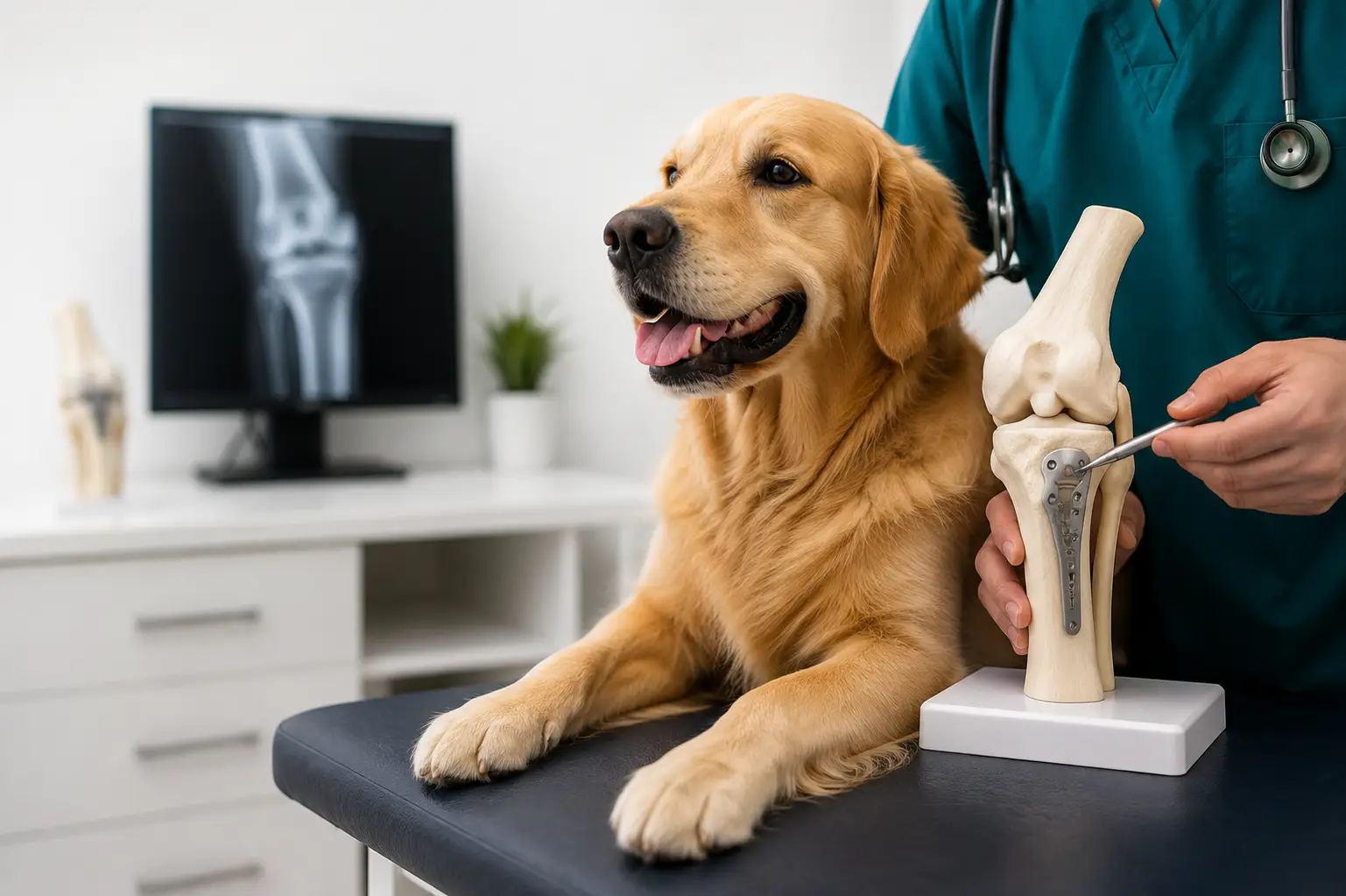
TPLO surgery is a surgical treatment commonly used for dogs with a damaged or ruptured cranial cruciate ligament (CCL).
Rather than replacing the damaged ligament, TPLO surgery changes the angle of the top of the tibia (shin bone). This alters the forces acting through the knee when your dog walks, helping to create a more stable joint.
TPLO may be recommended for dogs of different breeds and sizes depending on the nature of their cruciate injury, activity level, age and overall health.
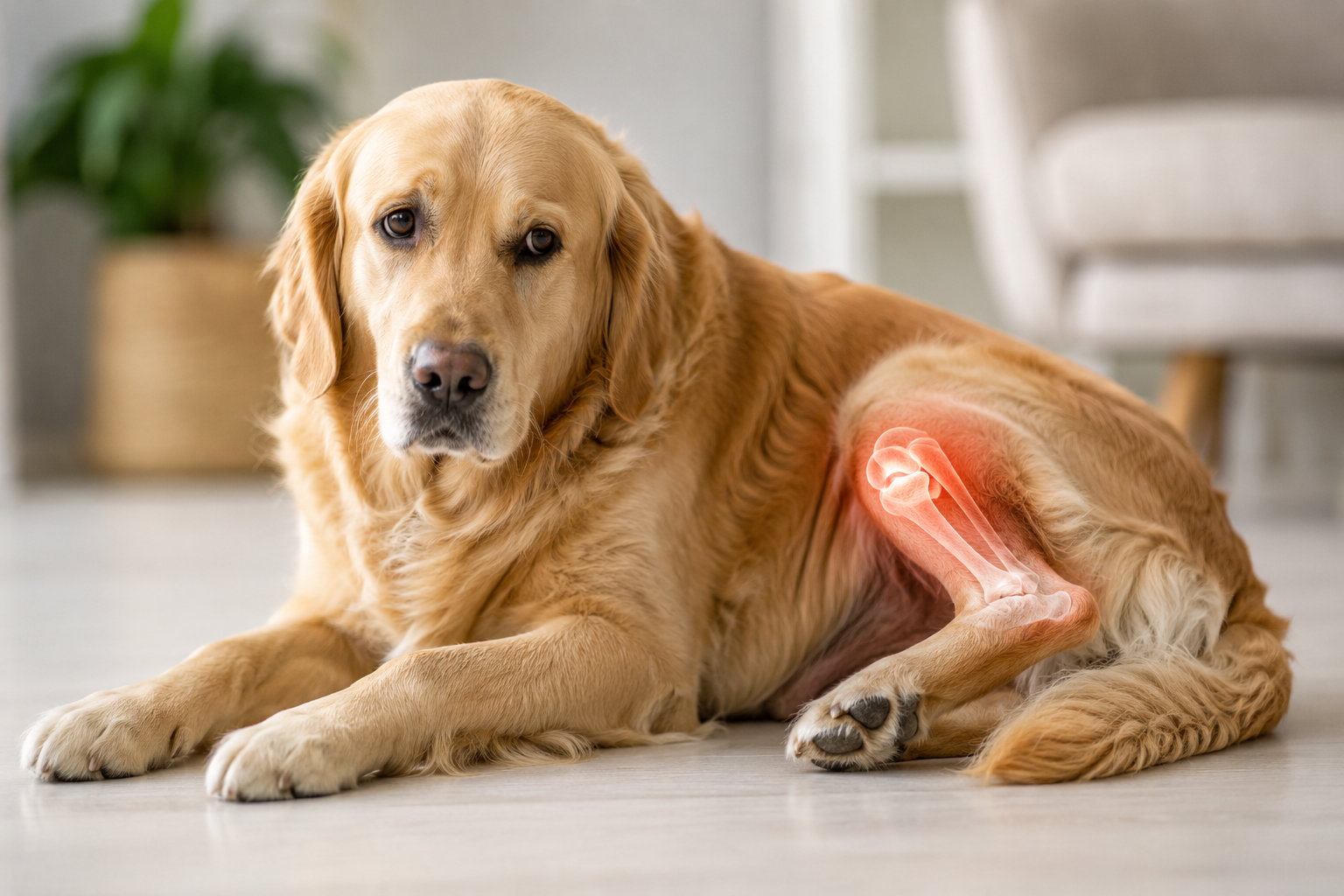
Cruciate ligament disease can develop gradually over time or present as a more sudden injury. You may notice your dog:
If your dog develops sudden or persistent hind leg lameness, a veterinary examination is important to determine the underlying cause.
Your veterinarian will examine your dog's knee and assess their lameness, joint stability and overall health. Diagnostic imaging such as X-rays may be recommended to evaluate the joint and assist with surgical planning.
If TPLO is recommended, careful measurements and planning are undertaken to determine the appropriate correction for your dog's knee.
During surgery, the upper section of the tibia is carefully cut and rotated to change the angle of the tibial plateau. The bone is then stabilised in its new position using a specialised plate and screws while it heals.
Your dog's recovery will be closely managed following surgery. Restricted activity is particularly important during the initial healing period, and follow-up examinations and imaging may be recommended to monitor healing before your dog gradually returns to normal activity.
The aim of TPLO surgery is to restore stability to the affected knee and help your dog return to comfortable movement.
For appropriate patients, TPLO surgery can help:
Every dog is different, which is why our veterinarians will discuss the expected outcomes, potential risks and recovery requirements with you before recommending surgery.

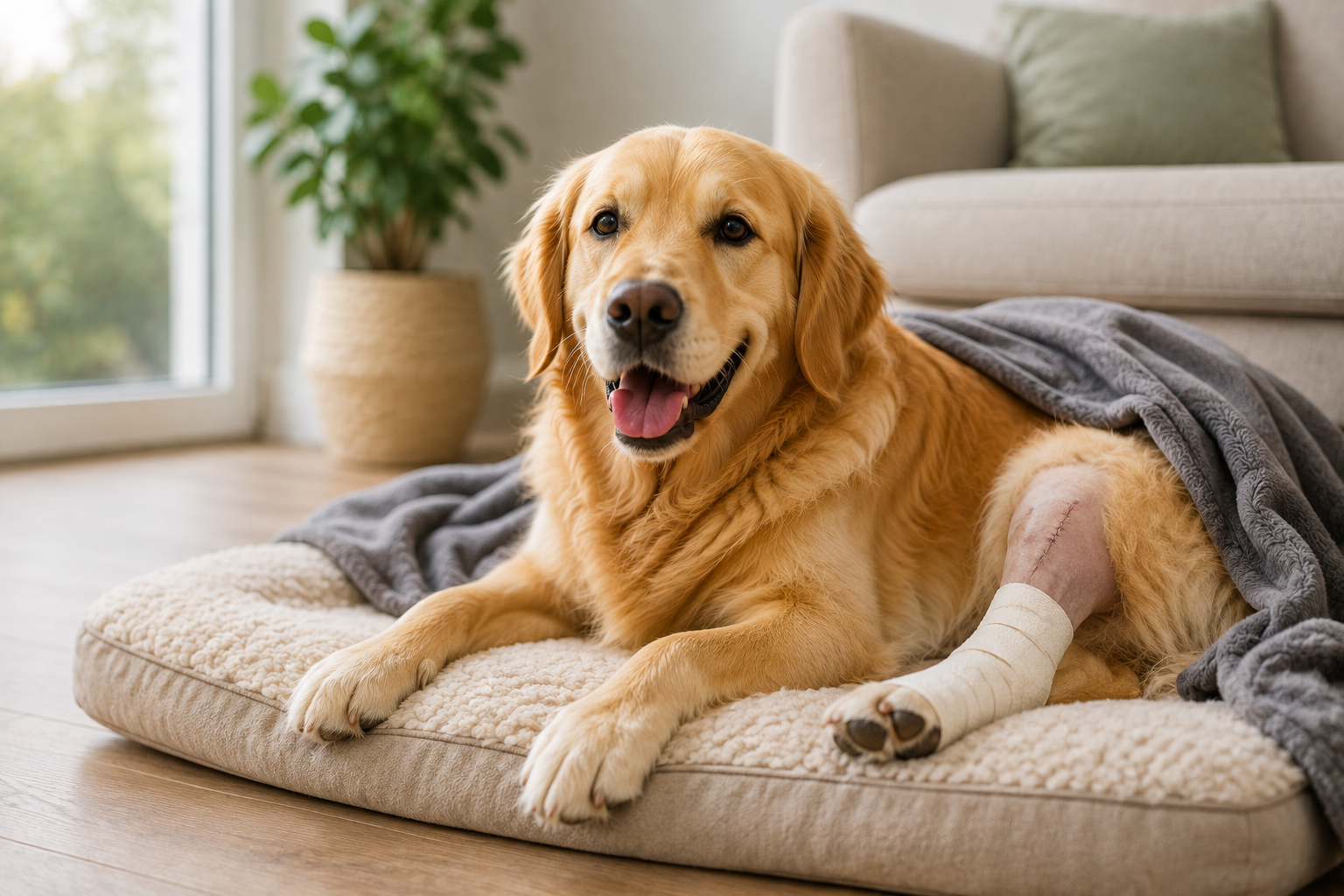
Successful recovery following TPLO surgery requires both surgical care and careful rehabilitation at home.
During the early stages of recovery, your dog will need controlled activity to protect the healing bone and surgical site. Your veterinarian will provide specific instructions regarding exercise restriction, medications, wound care and follow-up appointments.
As healing progresses, activity can generally be increased gradually under veterinary guidance. Follow-up examinations allow us to assess your dog’s progress and determine when it is safe to move to the next stage of recovery.
Following your dog’s individual recovery plan is an important part of achieving the best possible outcome from TPLO surgery.
If your dog has been diagnosed with cranial cruciate ligament disease or you’re concerned about ongoing hind leg lameness, our team can assess their condition and discuss the most appropriate treatment options.
East Bundaberg Veterinary Hospital provides TPLO surgery for dogs in Bundaberg, allowing local pet owners to access cruciate ligament assessment, surgery and ongoing veterinary care close to home.
If TPLO surgery is appropriate for your dog, we’ll guide you through the procedure, what to expect during recovery and the ongoing care needed to help them return to comfortable movement.
TPLO surgery, or Tibial Plateau Leveling Osteotomy, is a procedure that stabilizes the knee joint in dogs with certain types of knee injuries. It’s often recommended for dogs suffering from cranial cruciate ligament (CCL) tears.
The recovery period for TPLO surgery typically lasts around 8 to 12 weeks. During this time, your pet will need to limit activity to ensure proper healing. Regular check-ups with your vet are essential to monitor progress.
Like any surgery, TPLO has some risks, including infection and complications related to anesthesia. However, these risks are generally low. Your vet will discuss these thoroughly before the procedure.
Post-surgery, your pet will require follow-up care that includes restricted activity, pain management, and regular vet visits to ensure they are healing correctly and to manage any complications.
Preparing your pet for surgery includes fasting them the night before, providing a comfortable space for recovery, and following any pre-surgical instructions given by your veterinarian.
Pain management is crucial for your pet’s comfort. Your veterinarian will prescribe medication to help manage pain during the recovery phase.
The cost of TPLO surgery varies depending on specific medical requirements, so it’s best to consult with our team for an estimate tailored to your pet’s needs.
Most breeds can undergo TPLO surgery, but it’s important to have a thorough evaluation by your vet to determine the right approach for your pet’s particular situation.
Most pets can return to their usual activities within a few months, but this timeline can vary based on individual recovery rates and strict adherence to post-operative care.
There is always a risk of re-injury, especially if proper recovery protocols aren’t followed. However, adhering to your vet’s guidance can greatly reduce this risk.