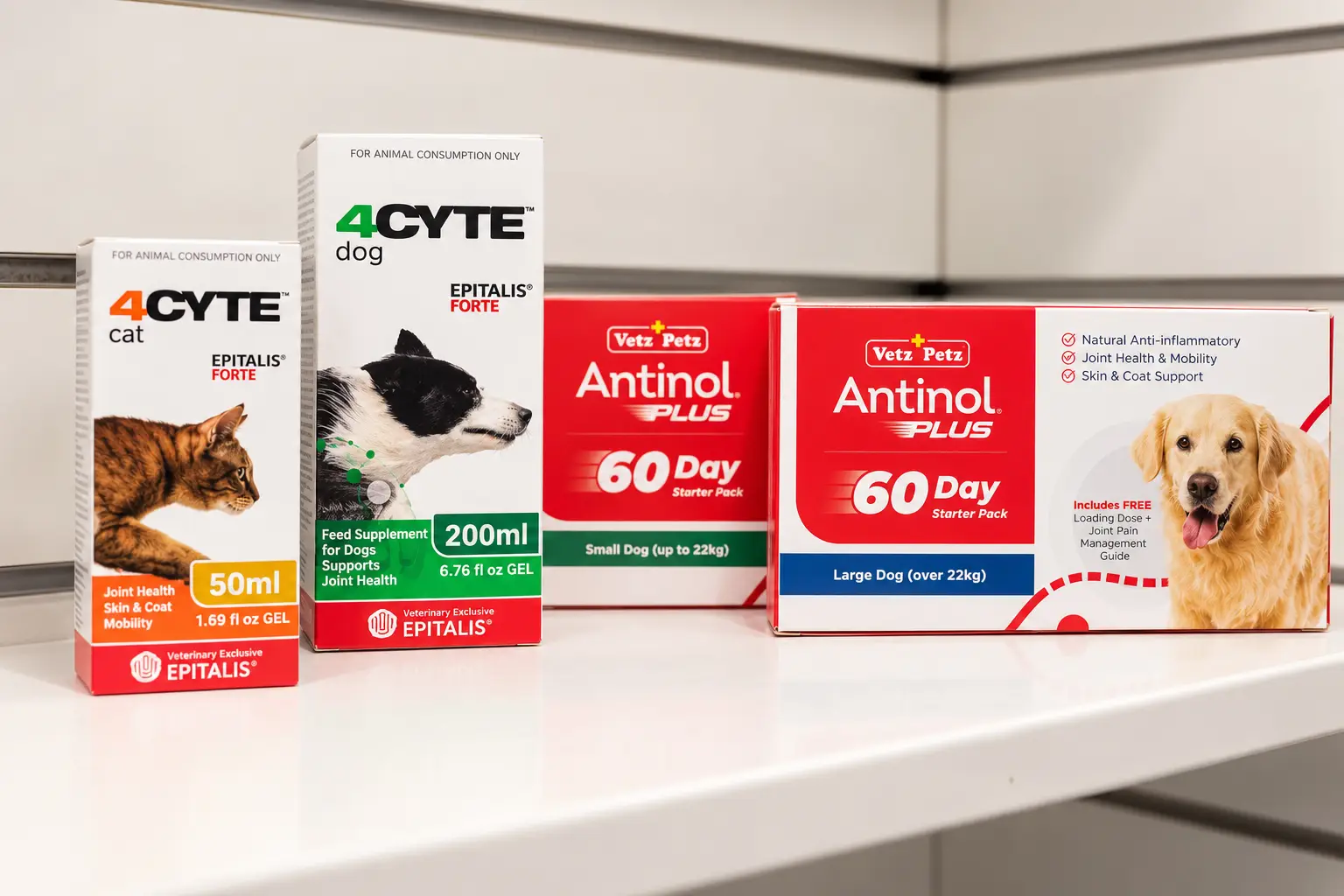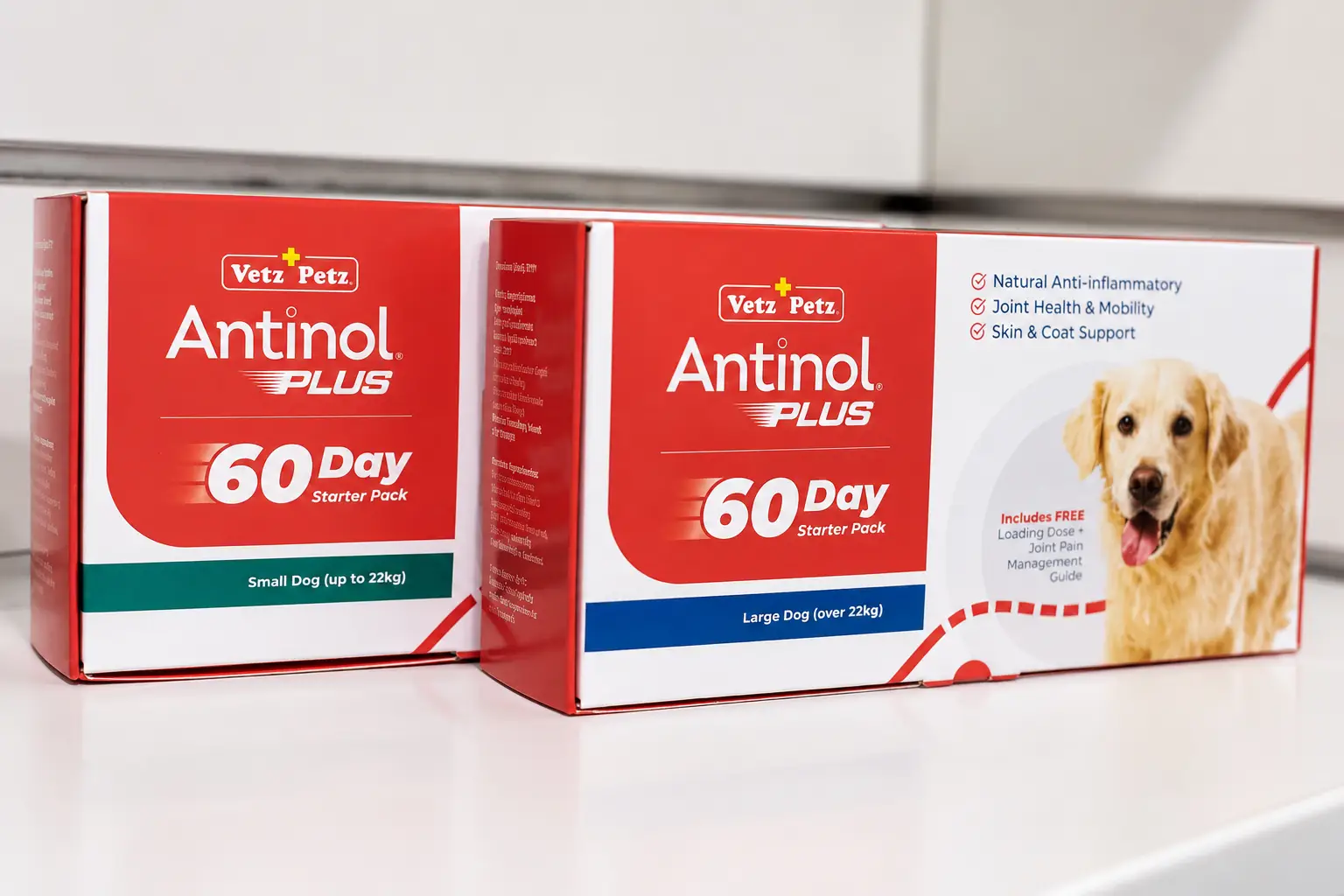
At East Bundaberg Veterinary Hospital, we provide comprehensive senior pet care in Bundaberg to help older dogs and cats stay healthy, comfortable and active for as long as possible.
As pets age, they can become more susceptible to changes in their joints, teeth, weight, heart, skin and internal organ function. Some conditions develop gradually and may not cause obvious symptoms in their early stages, which is why regular veterinary health checks become increasingly important.
Our veterinary team can assess your senior pet’s overall health, identify changes early and recommend appropriate preventative care, diagnostics, nutrition, pain management or treatment based on their individual needs.
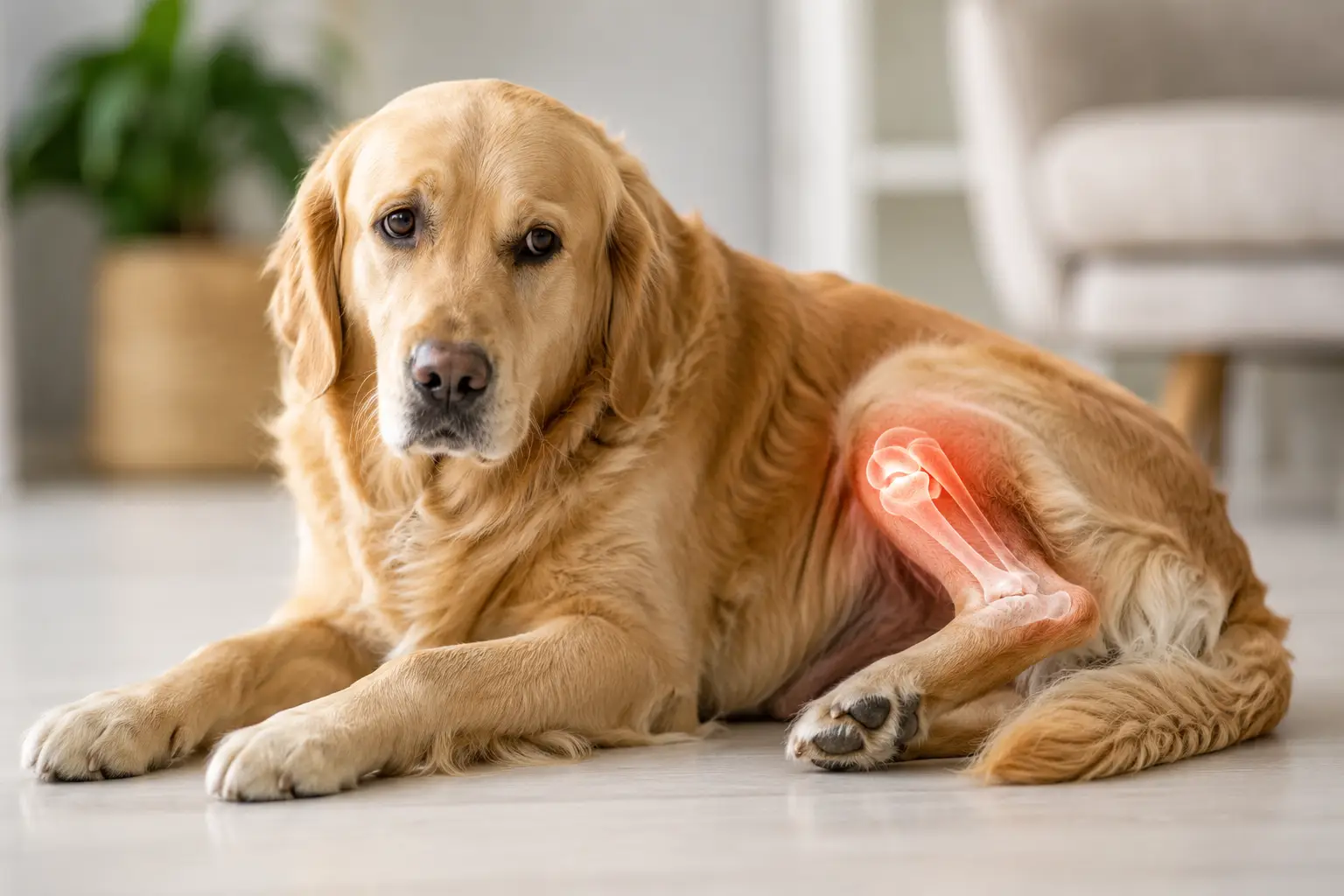
Dental disease becomes increasingly common as pets get older and can cause pain, difficulty eating and ongoing infection. Regular dental examinations allow us to identify problems with your senior pet’s teeth and gums and recommend treatment before they become more serious.
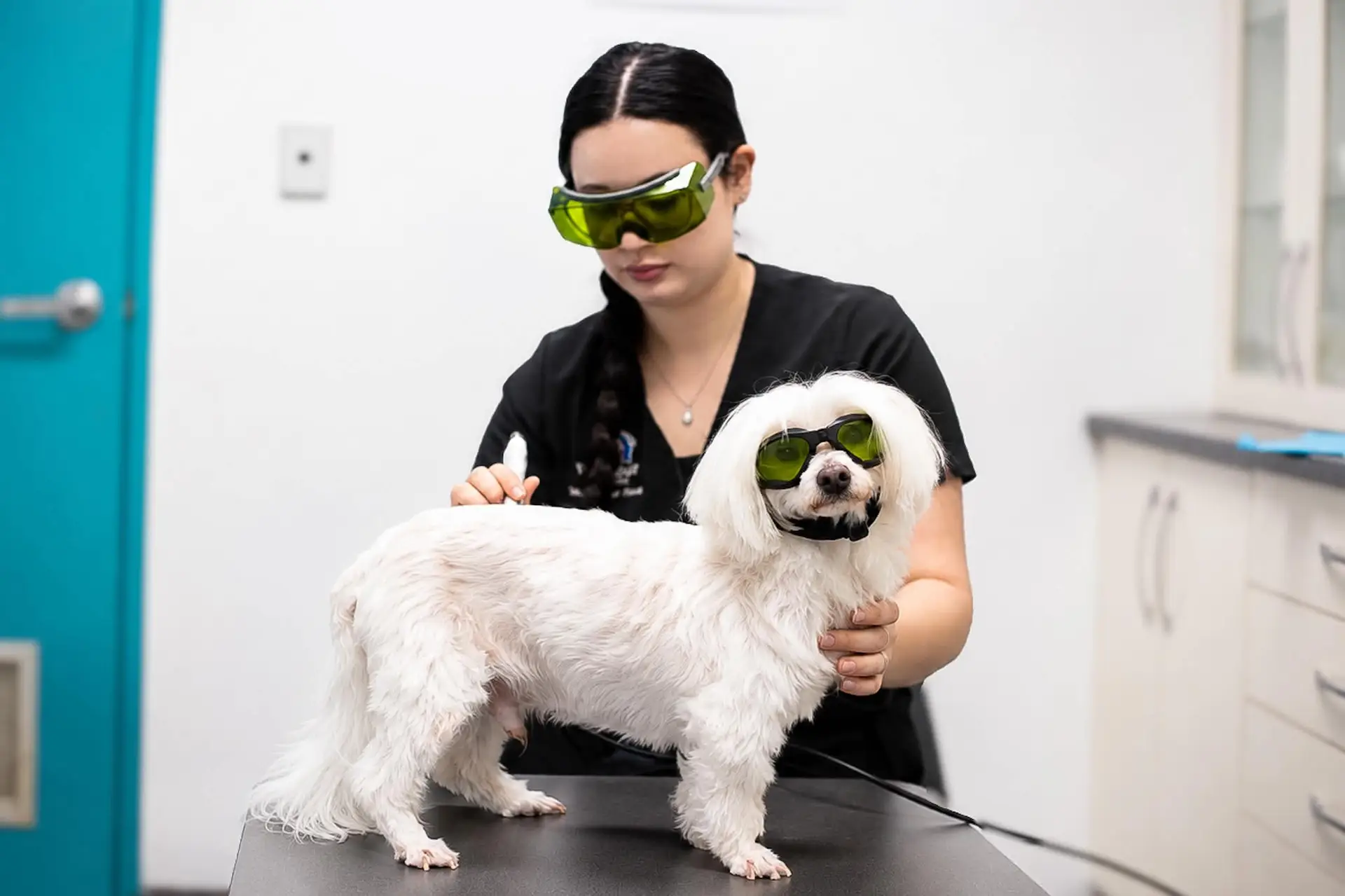
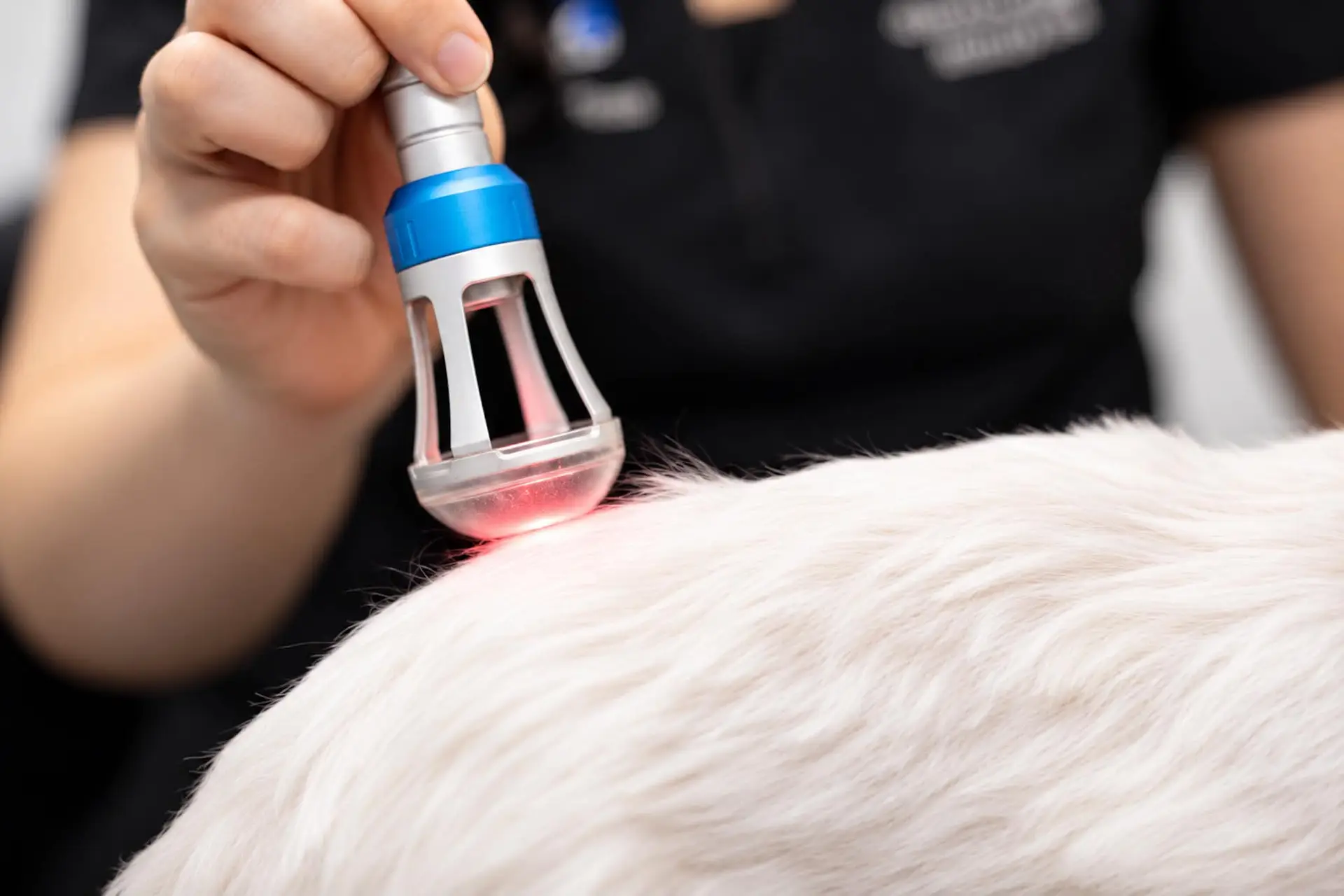
Laser therapy is a non-invasive treatment that can be used to help manage pain, reduce inflammation and support the body’s natural healing process. It can be particularly beneficial for senior pets experiencing ongoing pain or reduced mobility, helping them stay more comfortable and active.
Laser therapy may be recommended as part of a treatment plan for pets experiencing arthritis and joint pain, muscle or soft tissue injuries, inflammation, post-surgical discomfort and other painful conditions.
Treatment is gentle and does not require sedation, making it a comfortable option for many pets. Depending on your pet’s condition, our veterinary team may recommend a single treatment or a course of laser therapy sessions as part of their ongoing care.
Every pet and condition is different. Our veterinary team can assess your pet, discuss any changes in their comfort or mobility, and advise whether laser pain therapy may be a suitable addition to their treatment plan.
As pets get older, changes in joint health and mobility can affect their comfort, activity levels and overall quality of life. You may notice your pet becoming slower to get up, reluctant to jump or climb stairs, or less enthusiastic about their usual walks and activities.
Our veterinary team can assess your pet’s mobility and recommend appropriate options to help support their joint health and comfort. Depending on your pet’s individual needs, this may include joint supplements and other supportive treatments as part of their ongoing senior care.
If you’ve noticed changes in the way your pet moves or their willingness to exercise, speak with our team about the options available to help keep them comfortable and active.
Preventative care plays an important role in helping senior pets enjoy their later years. At East Bundaberg Veterinary Hospital, we recommend regular health assessments for older dogs and cats so we can monitor changes in their health and provide care tailored to their age, breed, lifestyle and individual needs.
A senior pet assessment may include a comprehensive physical examination, dental and weight assessment, heart and joint checks, and discussion of any changes you’ve noticed at home. Blood tests or additional diagnostic testing may also be recommended where appropriate.
If your dog or cat is entering their senior years, or you’ve noticed changes in their appetite, weight, mobility, behaviour, drinking habits or general wellbeing, our Bundaberg veterinary team is here to help.
Feeding your senior pet a balanced diet is crucial. Look for high-quality food designed for older pets. Focus on ingredients that promote joint health and maintain a healthy weight. Always check with your vet for personalized recommendations.
To support your pet’s joints, ensure they maintain a healthy weight and engage in low-impact exercise. Supplements like glucosamine may also help along with Laser pain therapy. Consult your veterinarian for the best approach tailored to your pet.
If your senior pet shows signs of discomfort, changes in appetite, or unusual behavior, it’s time for a vet visit. Regular check-ups are also essential to catch any potential health issues early.
Senior pets benefit from regular, gentle exercise. Short walks or play sessions are a great way to keep them active without overdoing it. Tailor their activity levels to their individual health and energy levels.
If your pet is refusing food, it could be a sign of health issues or dental problems. Offer enticing, flavorful food or try warming it up. If the issue persists, seek advice from your veterinarian.
We’re here to help you with any concerns you might have about your senior pet’s health and well-being. If you need answers to questions not covered here, feel free to reach out!
Your furry friend deserves the best care. Book an appointment with us to take advantage of our expert services tailored for your pet’s health and well-being. Let us help you keep your loved ones healthy and happy.