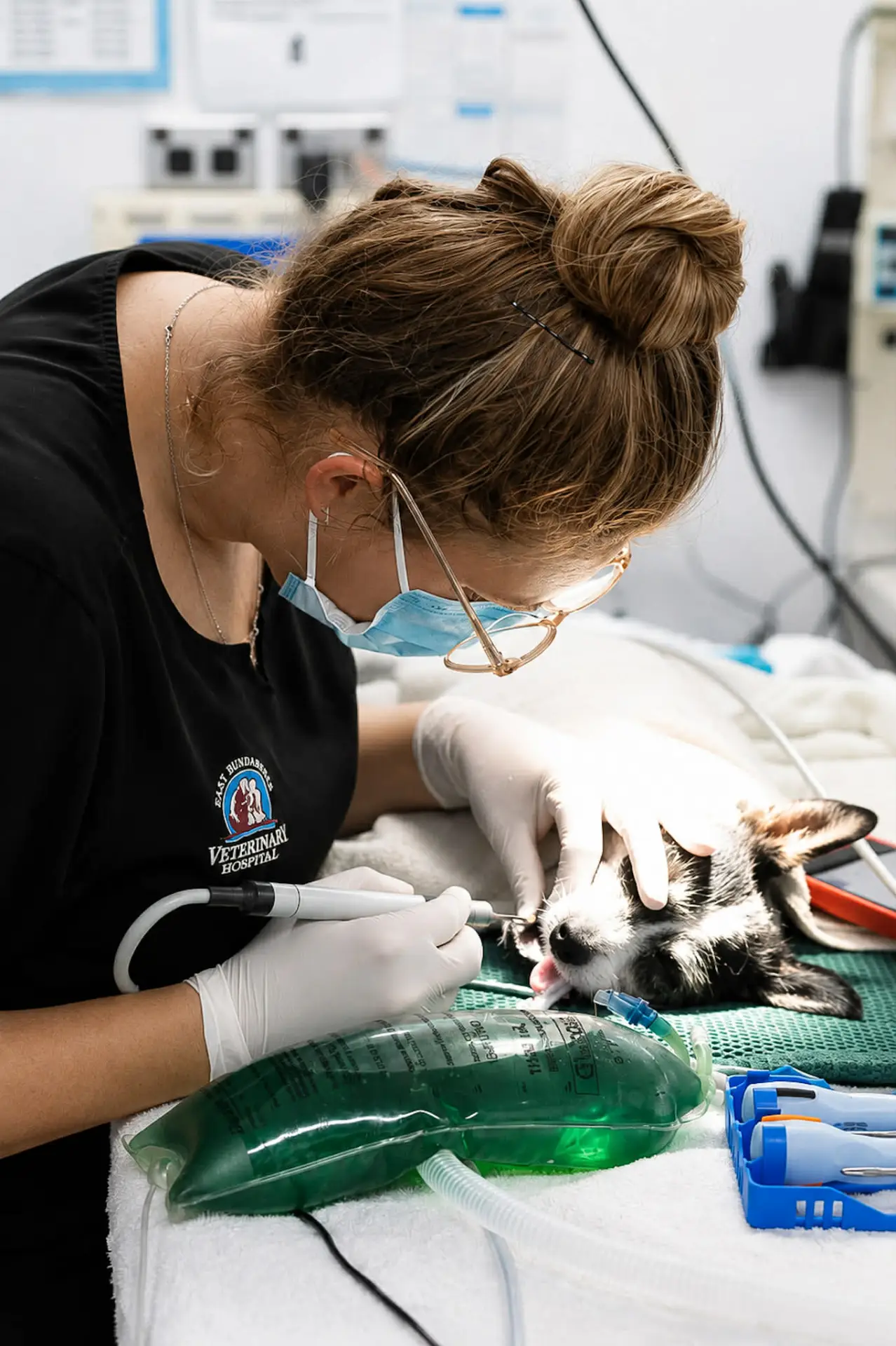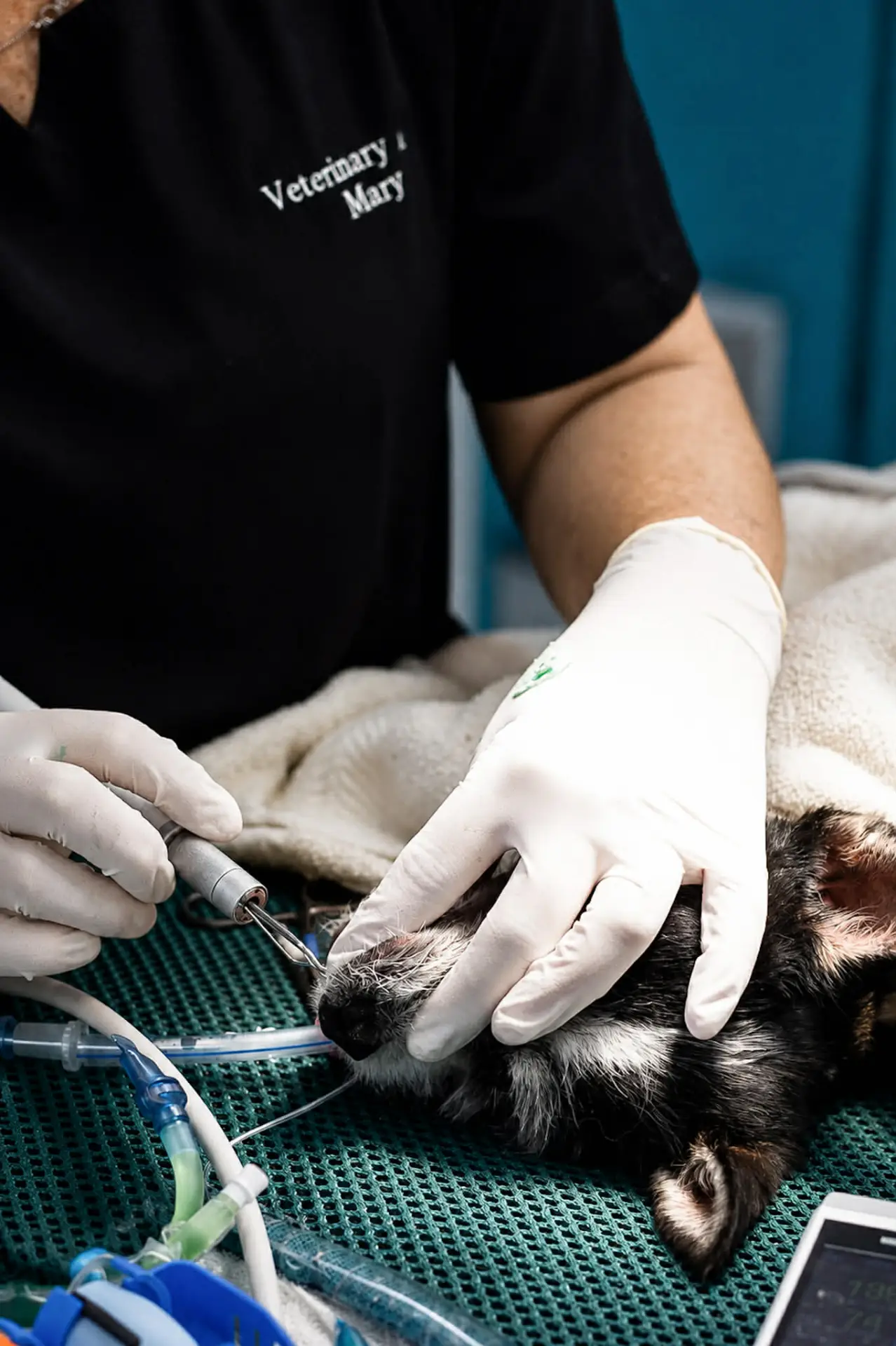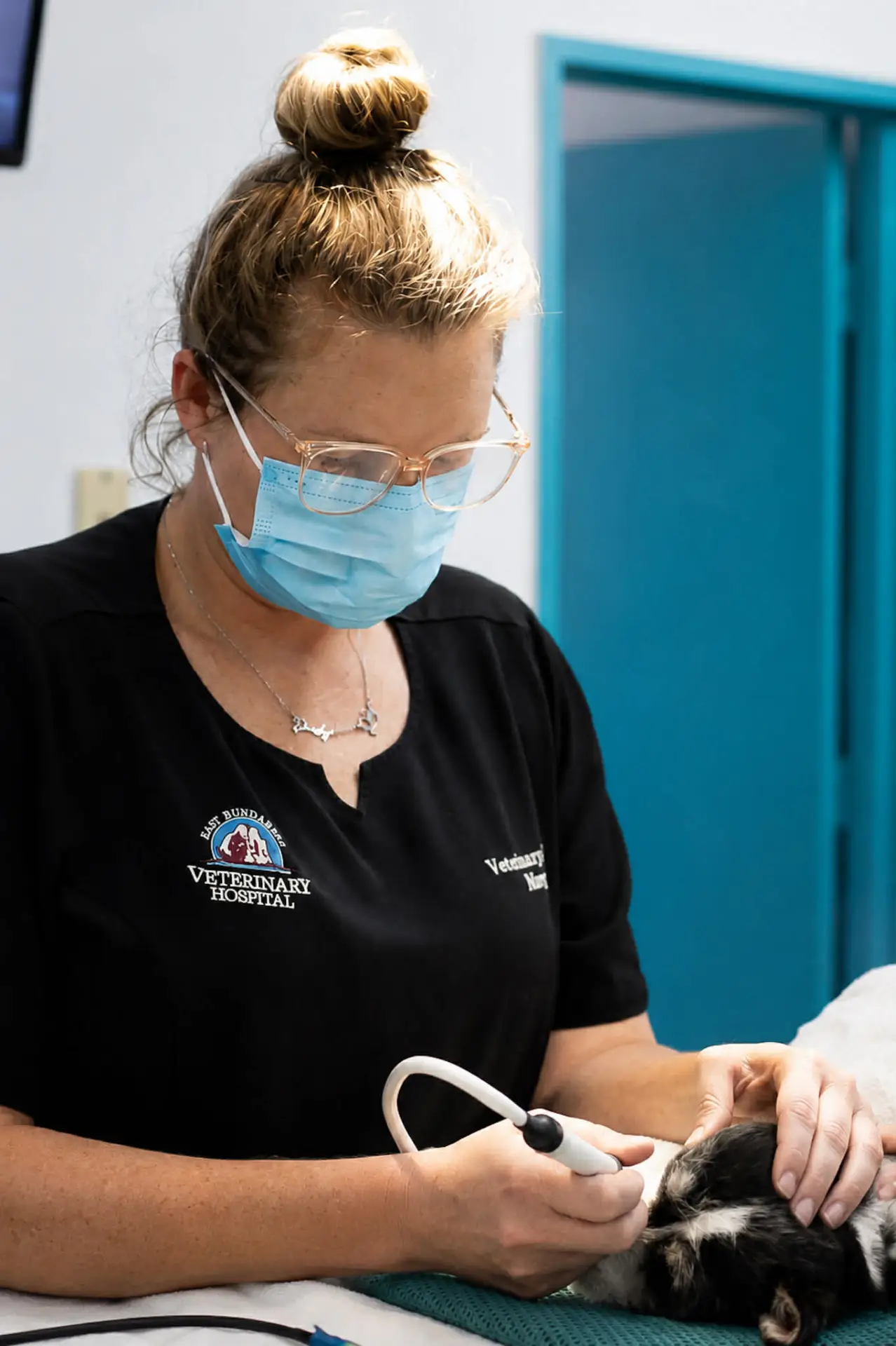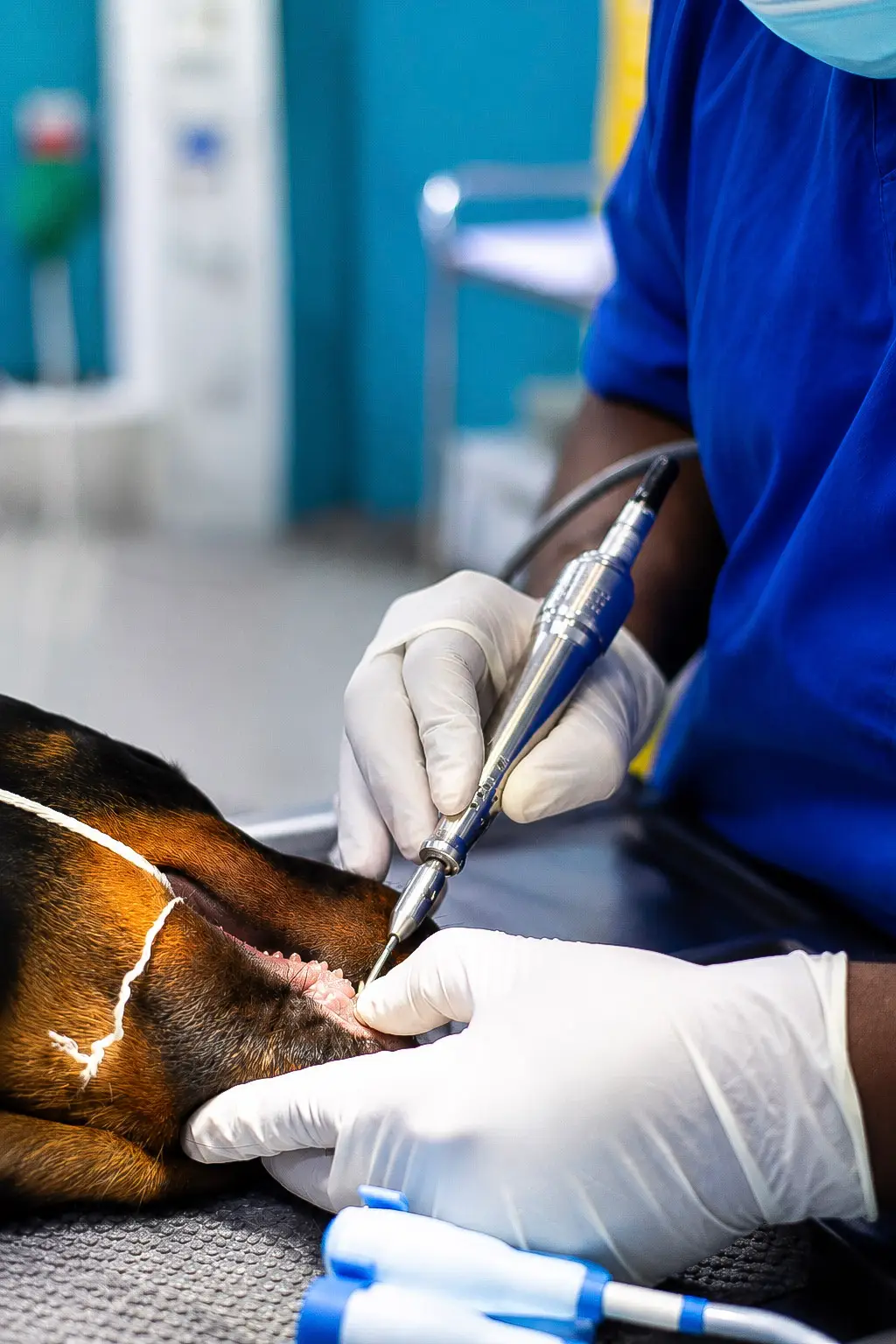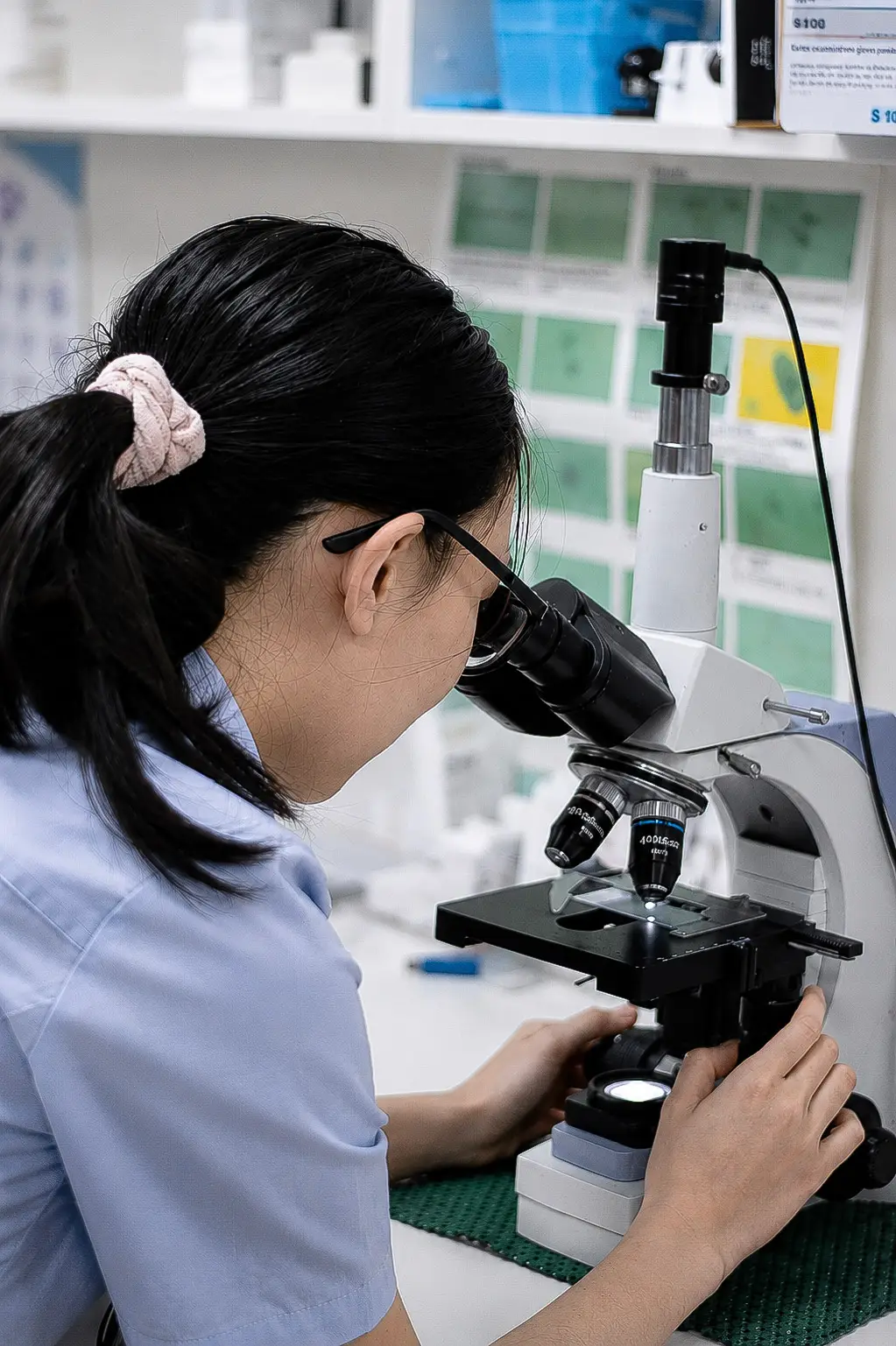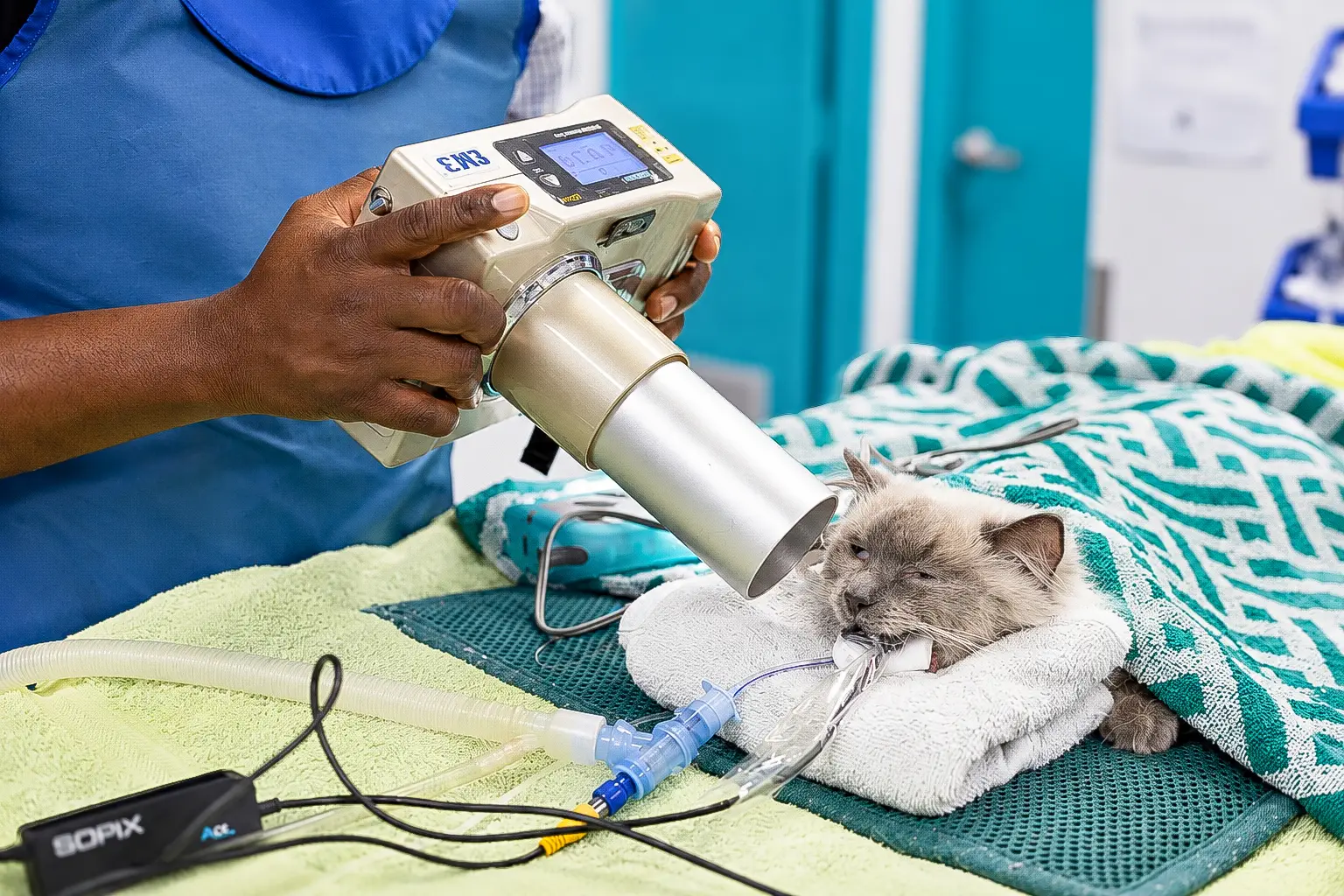
Having access to diagnostic equipment within our hospital allows our veterinarians to investigate many health concerns efficiently and make informed decisions about your pet’s care. From in-house pathology and diagnostic imaging to specialised monitoring and dedicated hospital wards, our facilities support everything from routine investigations to surgery, emergency care and the management of seriously ill patients.
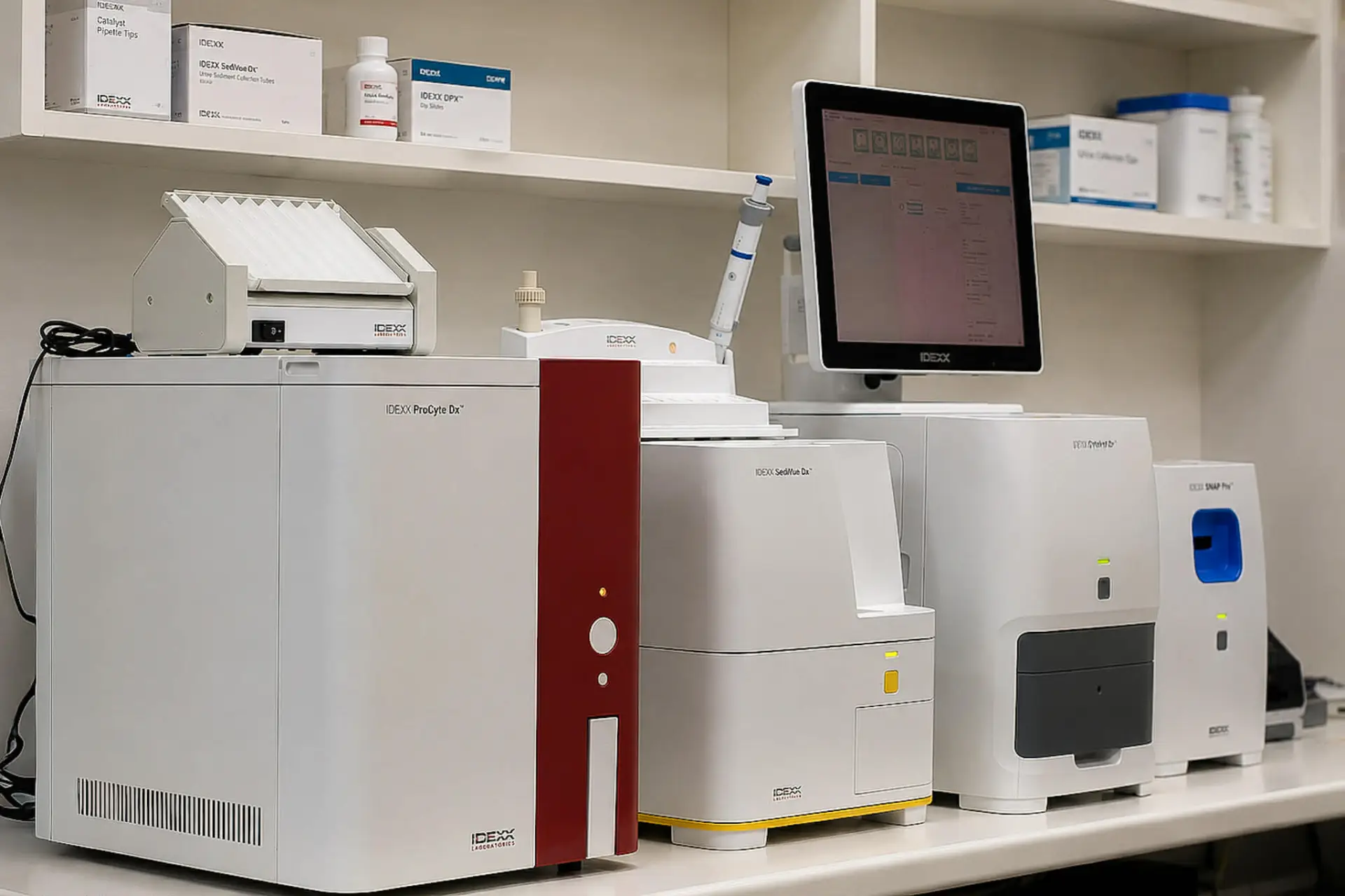
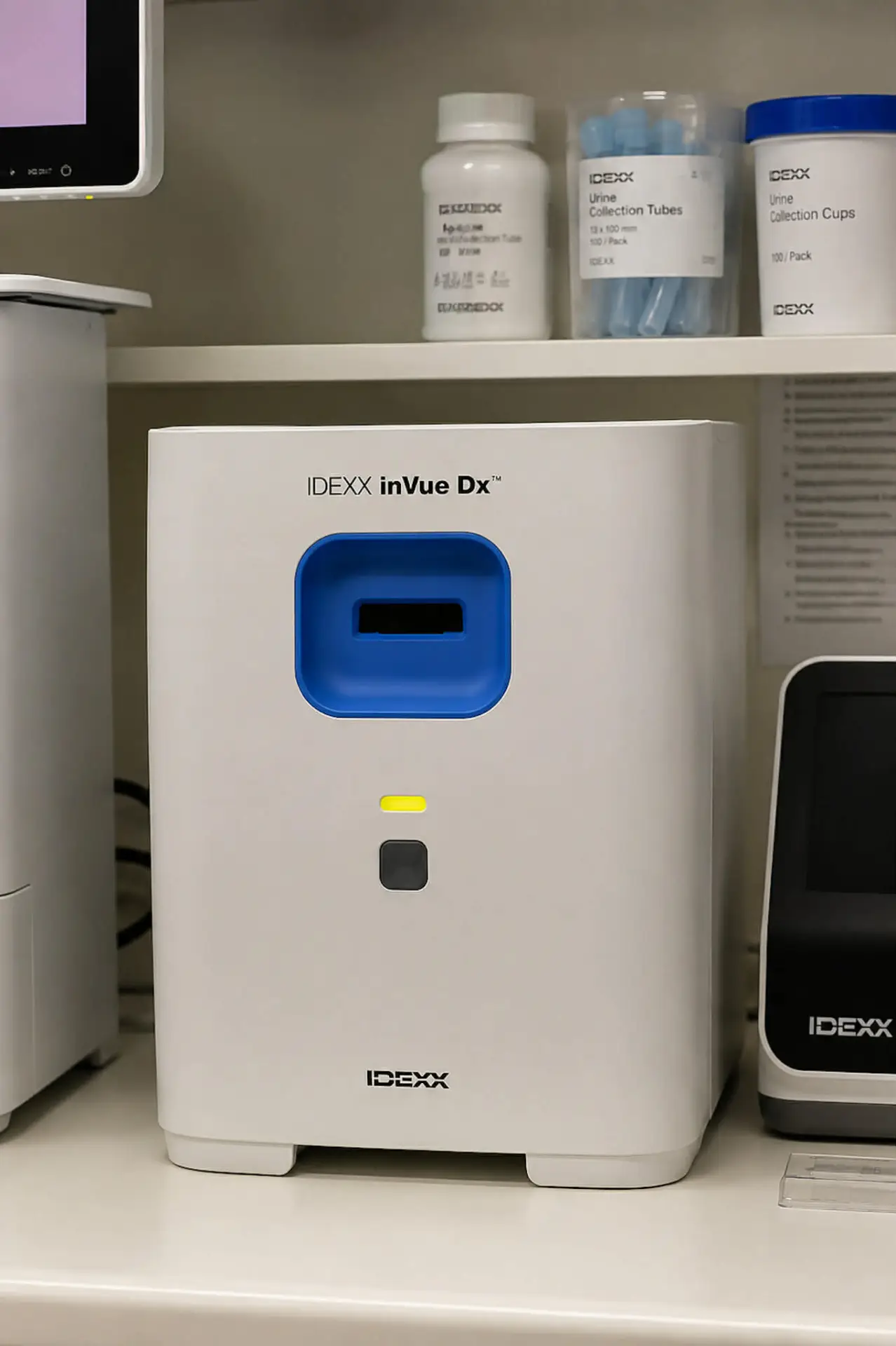
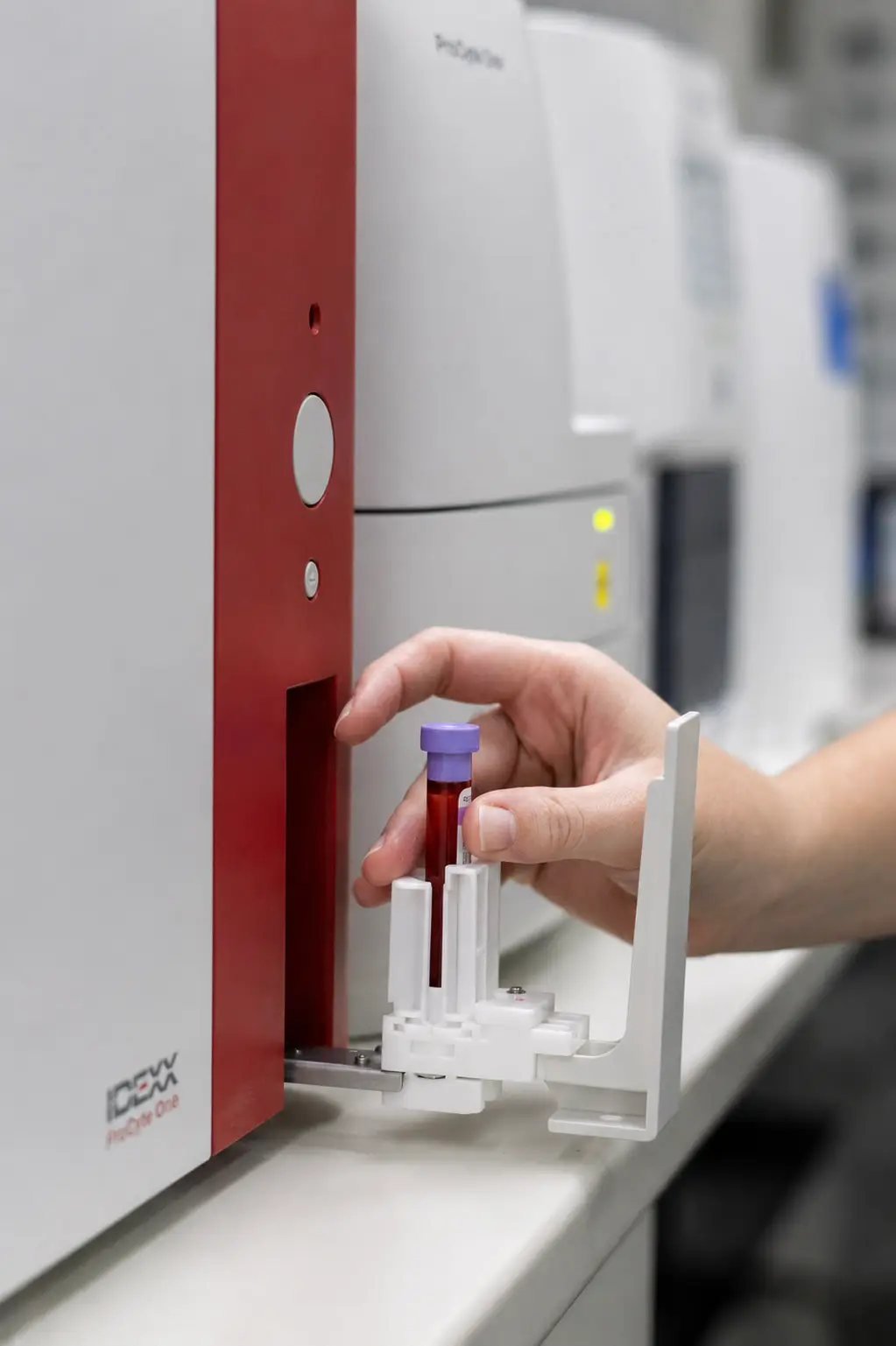
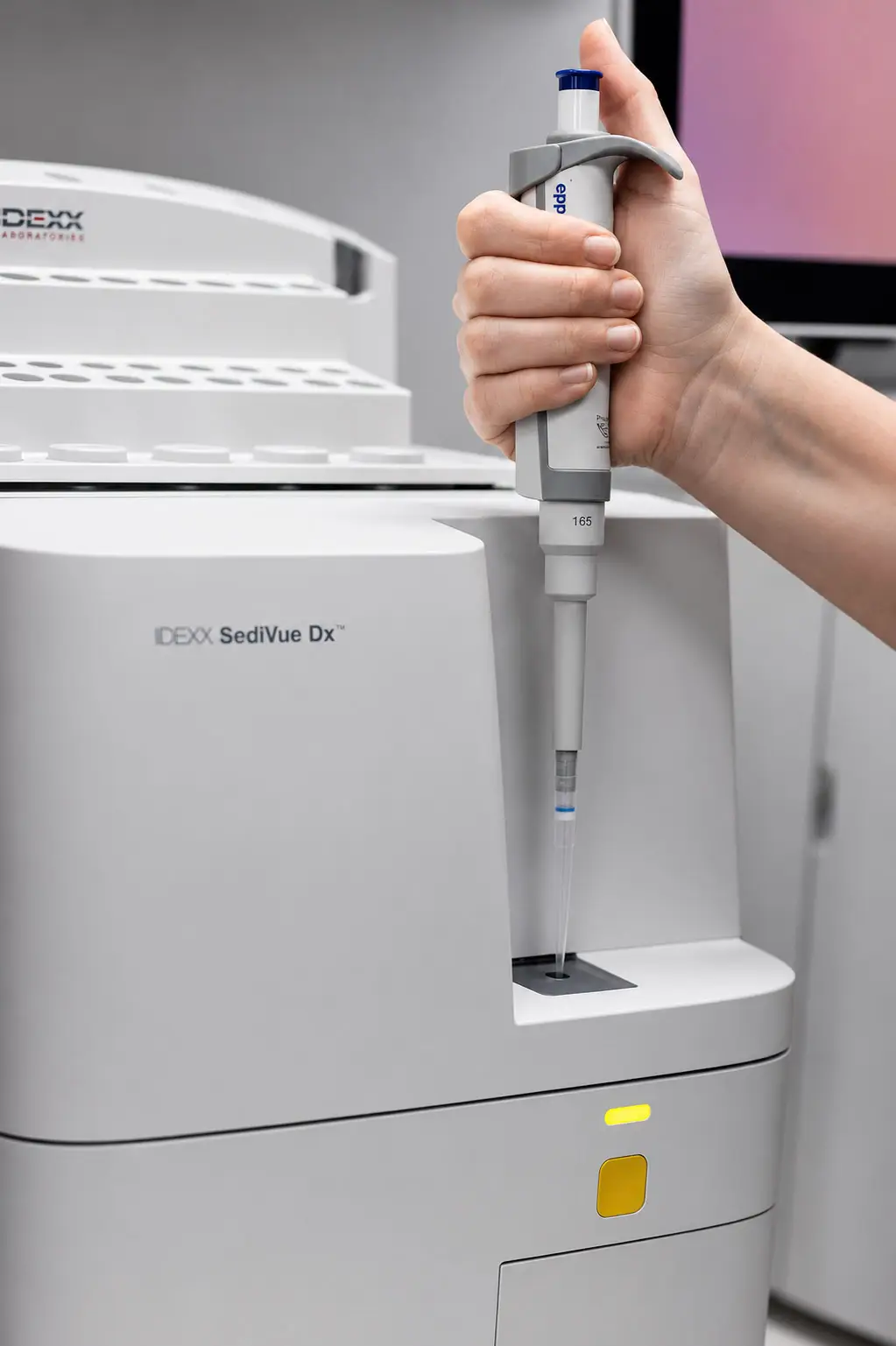
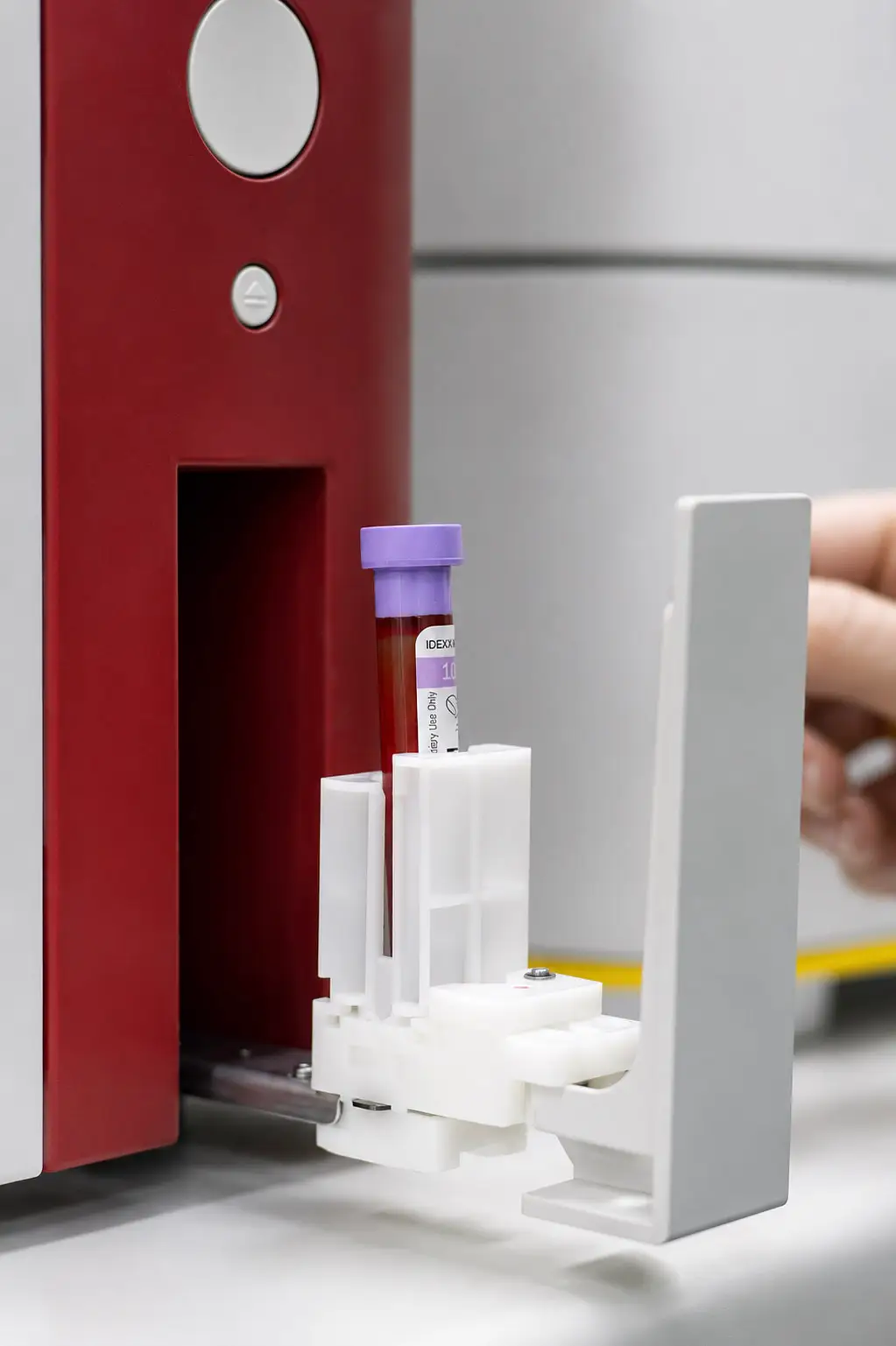
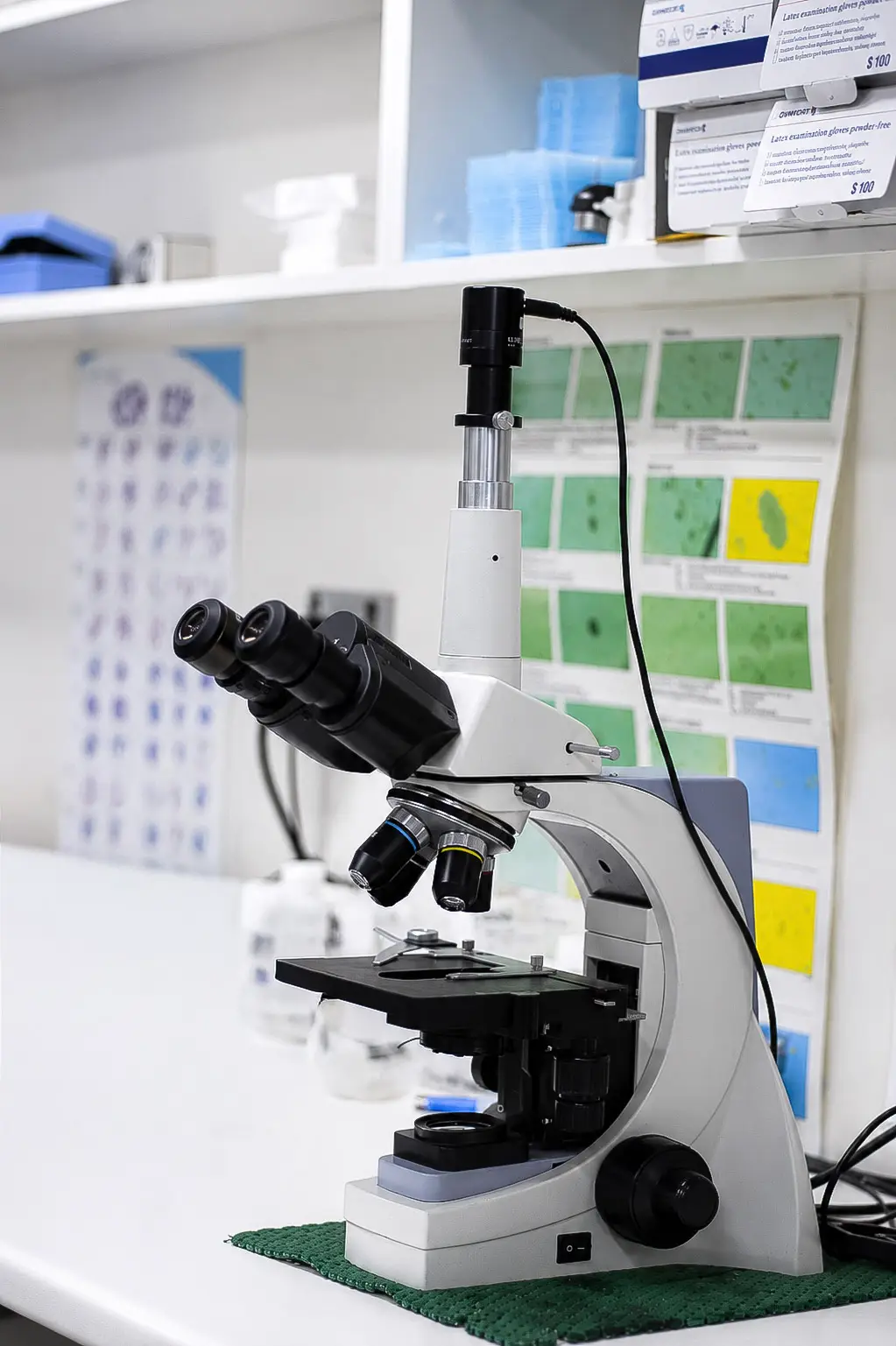
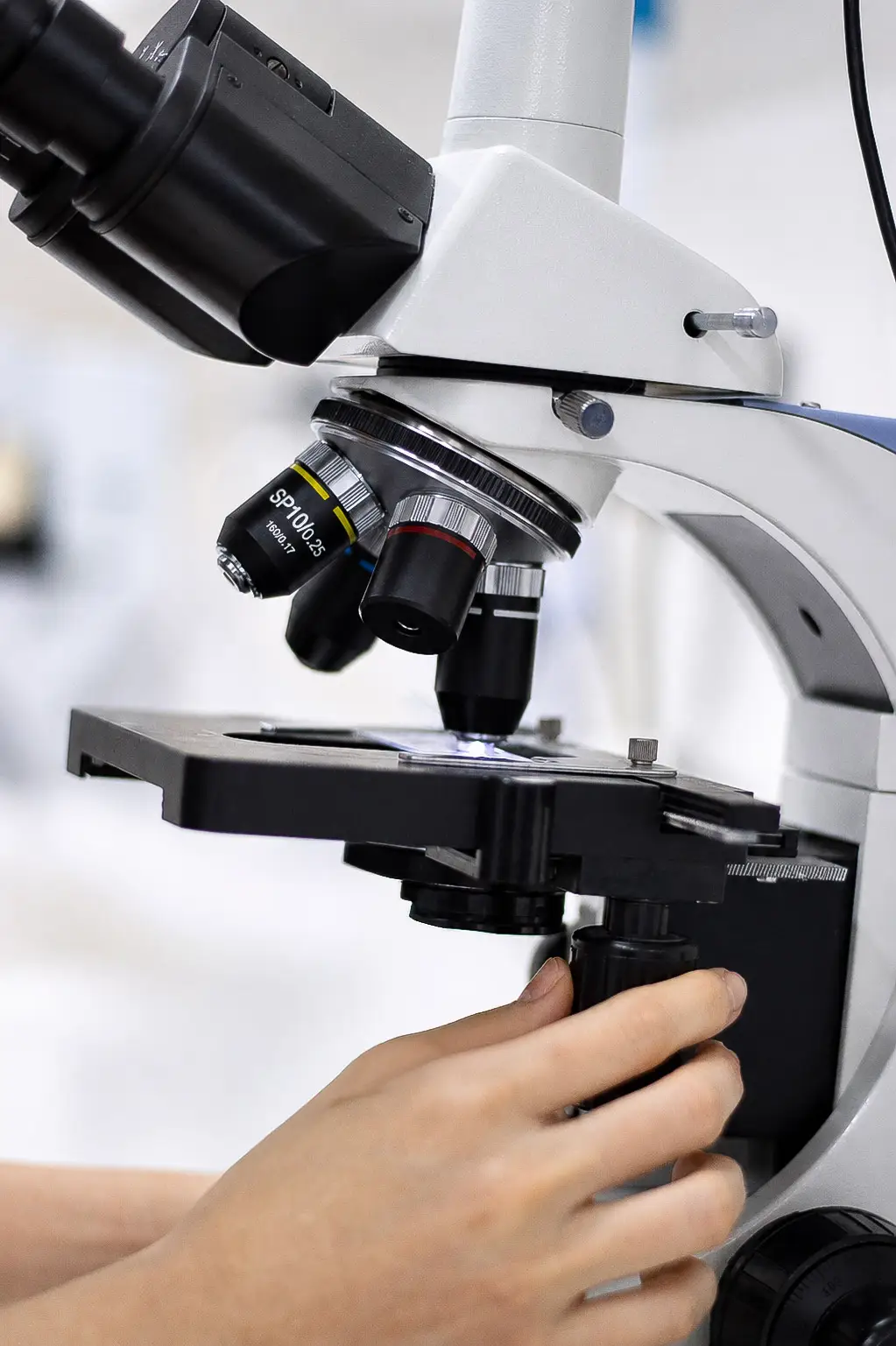
Our in-house veterinary laboratory allows us to perform a range of diagnostic tests within the hospital, helping our veterinarians assess your pet's health and obtain important information without always needing to send samples to an external laboratory. In-house testing can be particularly valuable when timely results are important, including for sick or injured pets, pre-anaesthetic assessments and ongoing health monitoring.
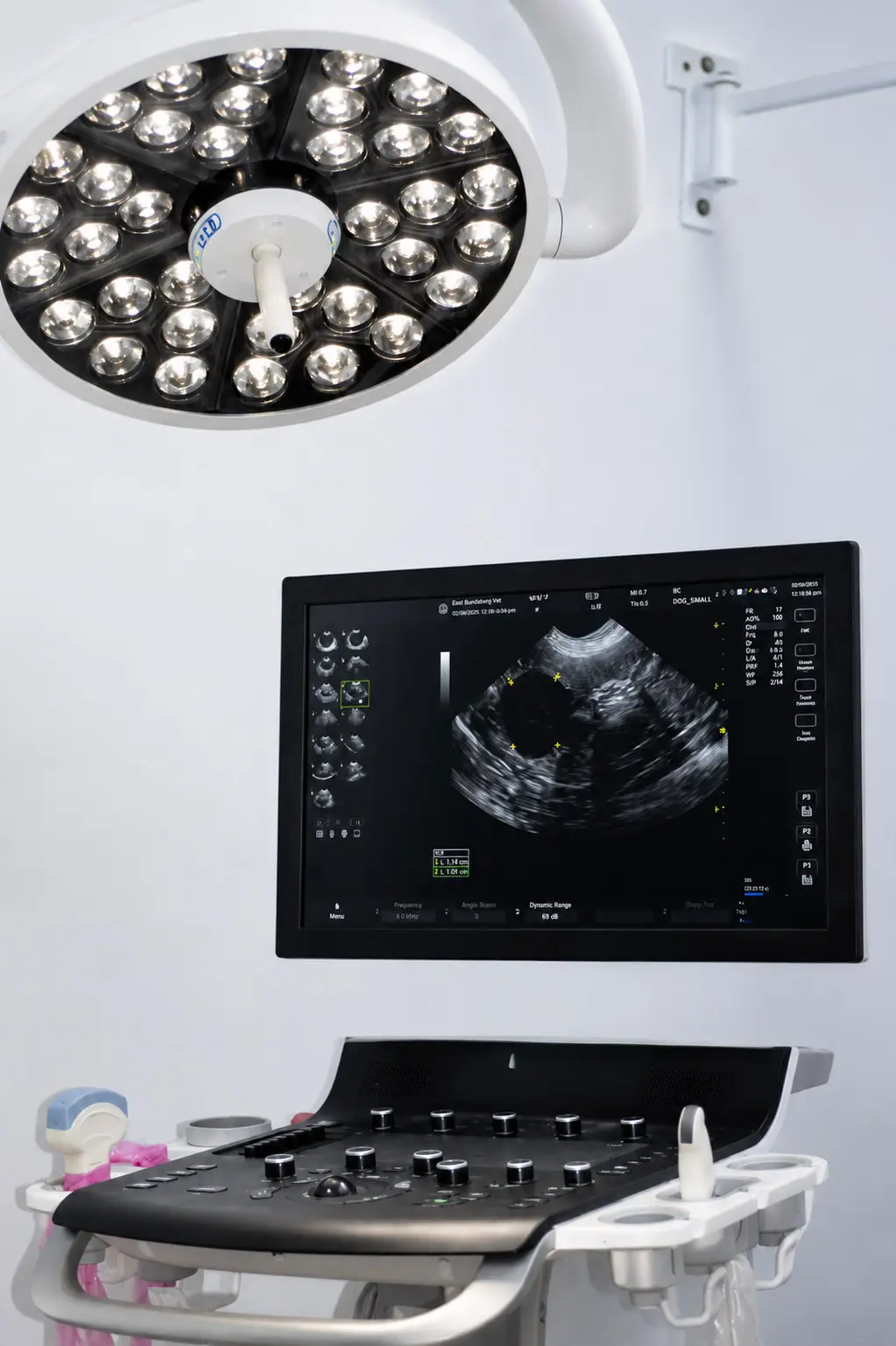
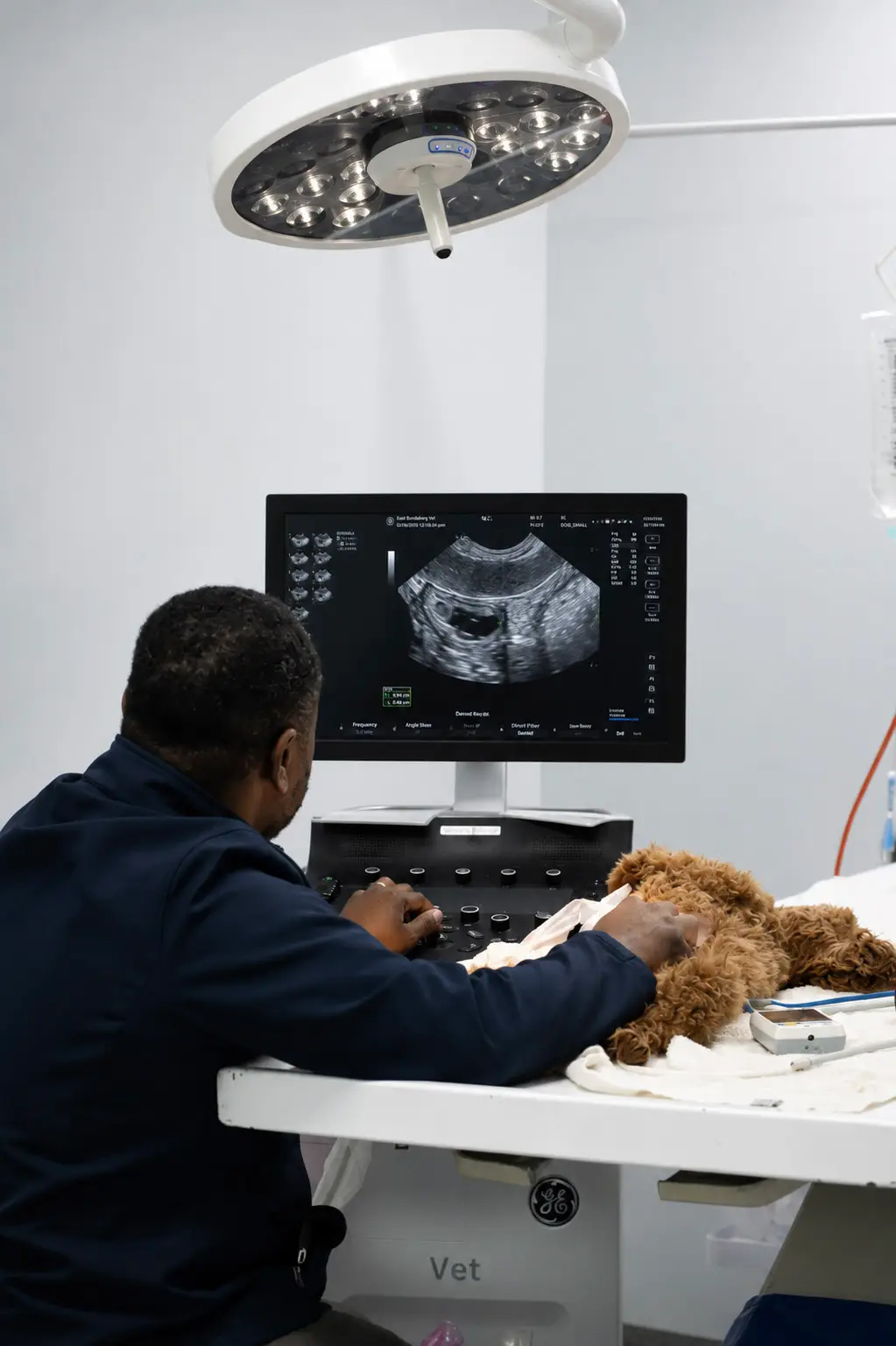
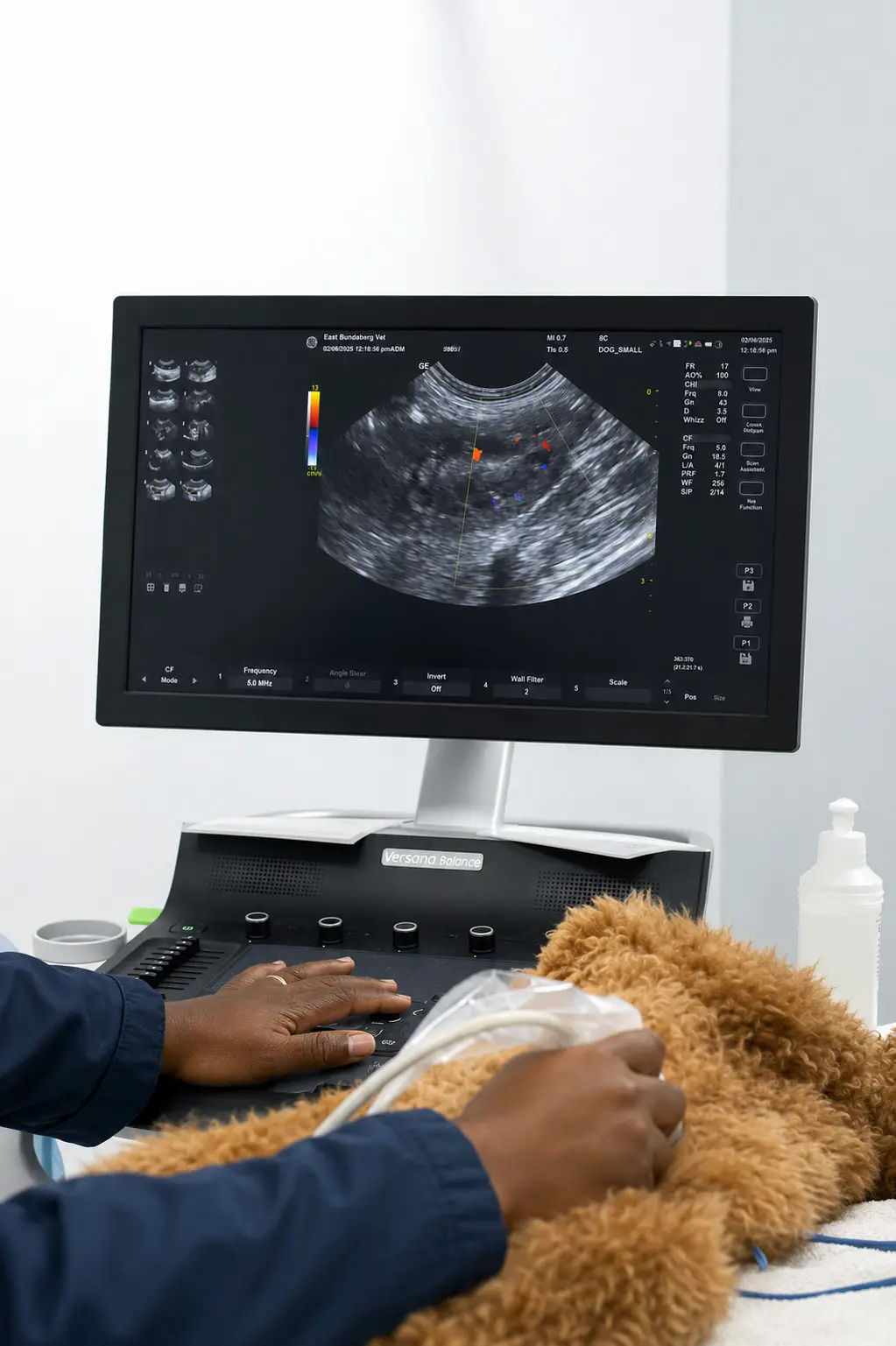
Ultrasound provides our veterinarians with real-time images of internal soft tissue structures and organs. It can be used to investigate areas including the liver, kidneys, spleen, bladder, intestines and reproductive system, as well as abnormal swellings or masses. Ultrasound is non-invasive and many examinations can be performed while the patient is awake.
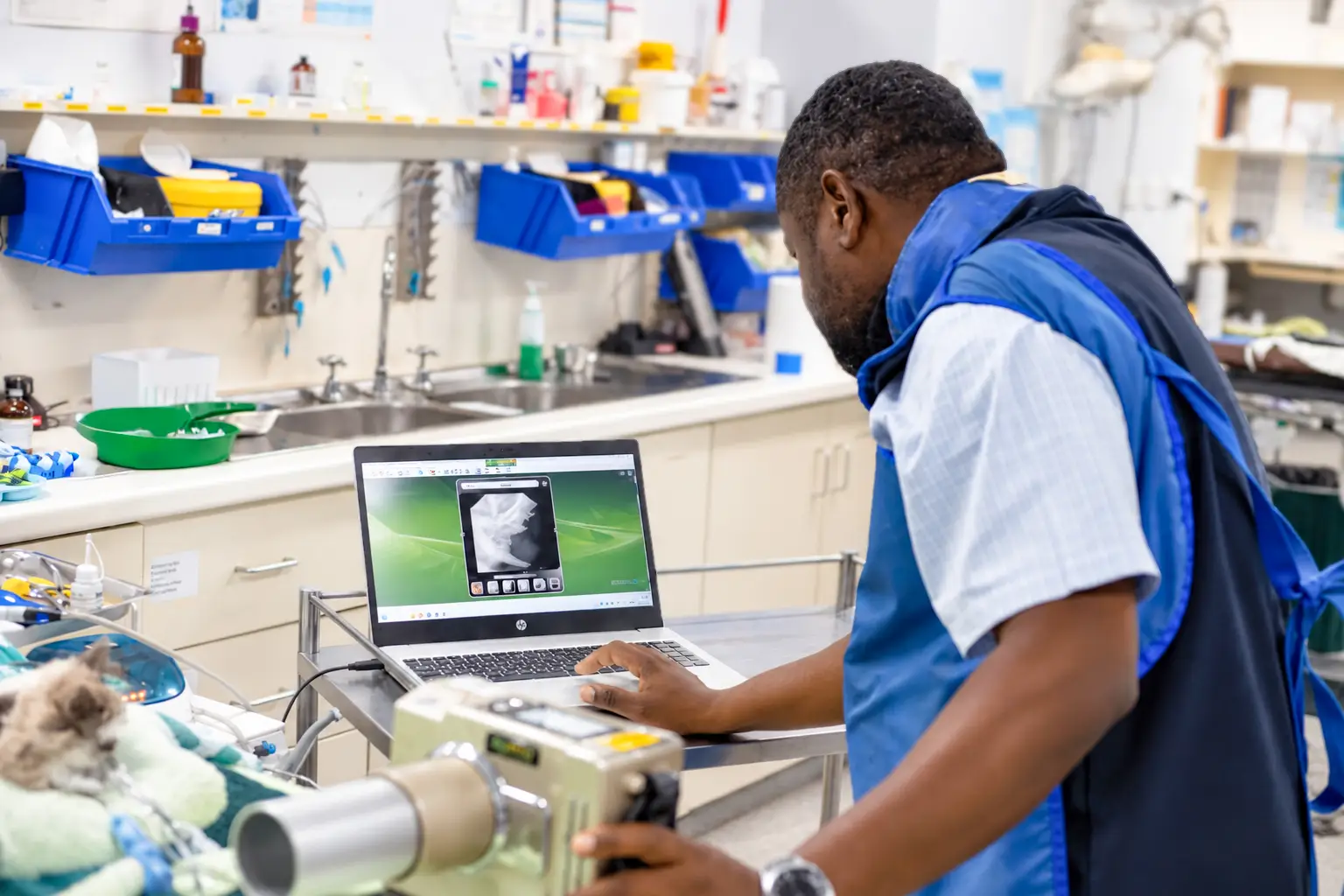
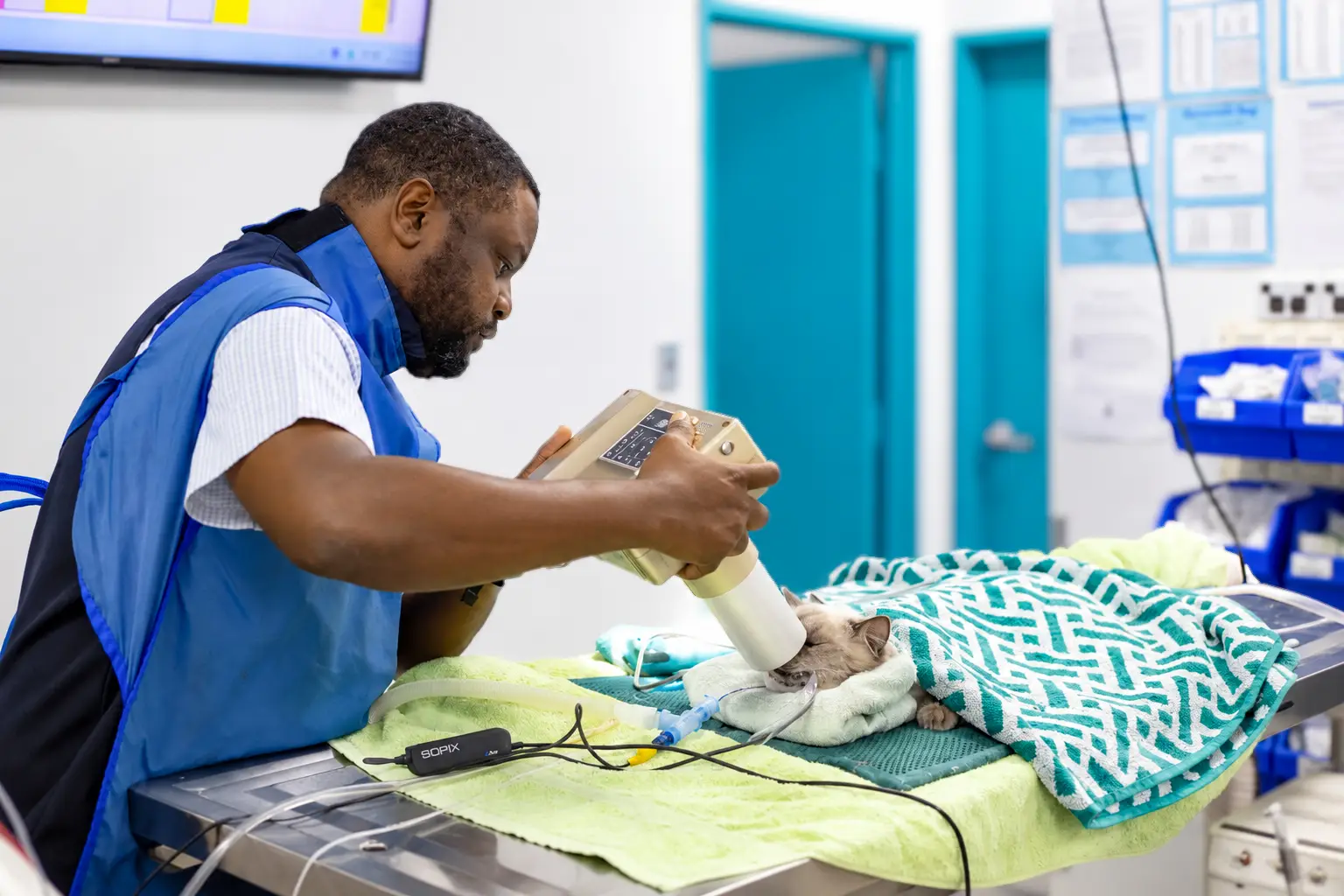
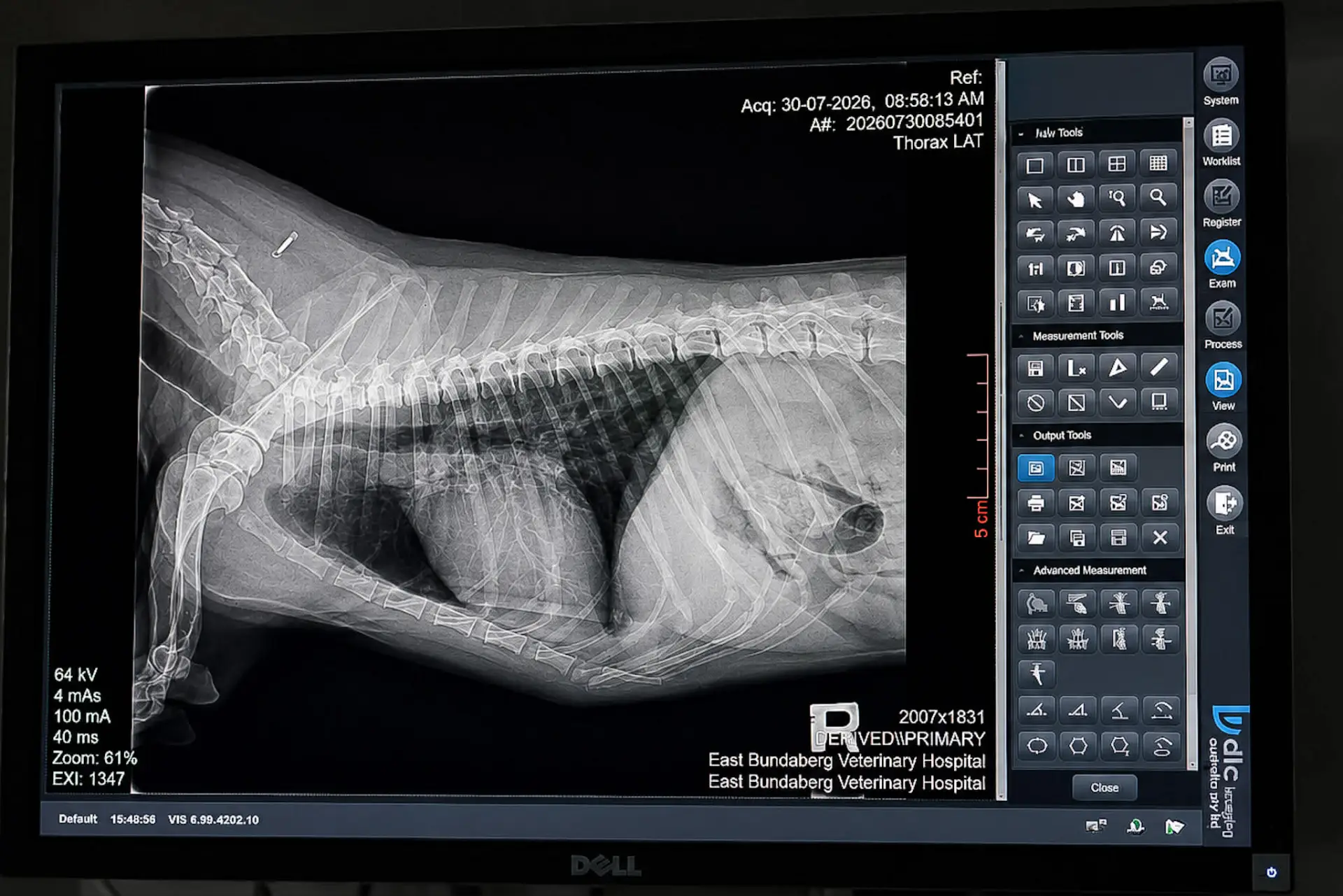
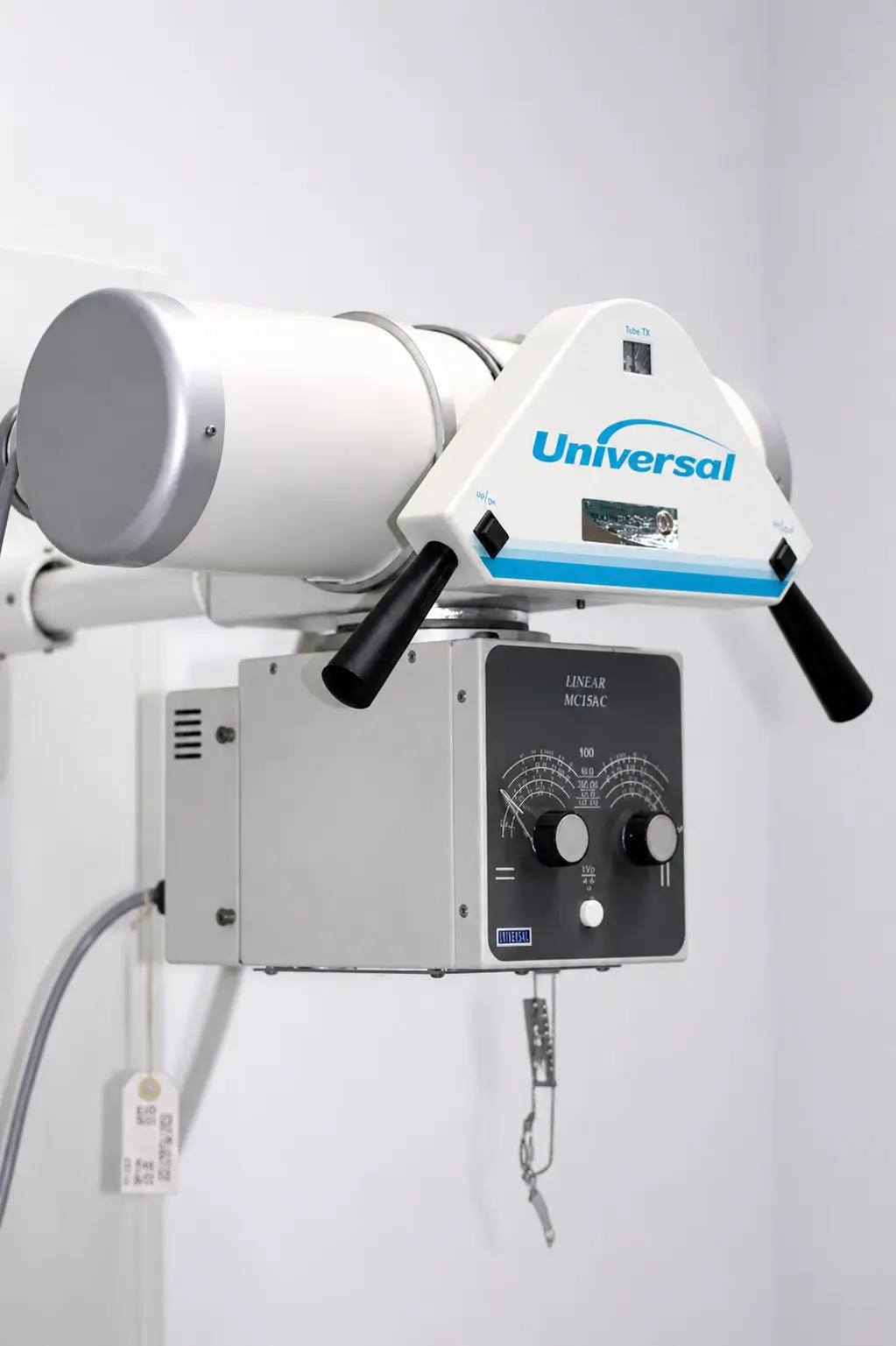
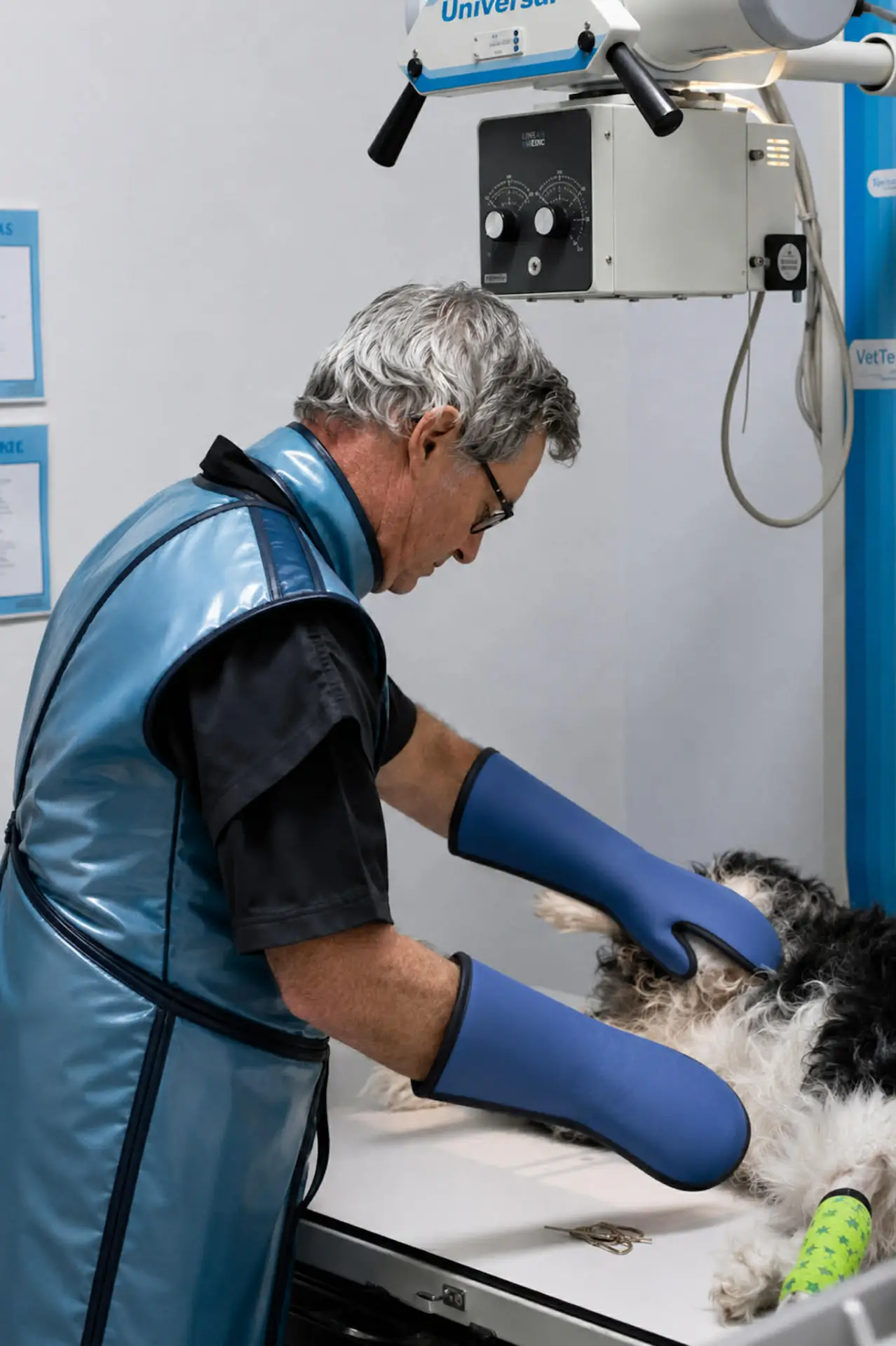
Veterinary X-rays allow us to examine structures inside your pet's body and are an important diagnostic tool for investigating injuries and a wide range of medical conditions. Radiographs can help our veterinarians assess bones and joints as well as areas such as the chest and abdomen, providing valuable information to assist with diagnosis and treatment planning.
Electrocardiography, commonly known as an ECG, measures the electrical activity of your pet's heart. It can help our veterinarians assess heart rate and rhythm and investigate abnormalities that may indicate an underlying cardiac condition. ECG may be used alongside a physical examination and other diagnostic testing when further assessment of your pet's heart is required.
Endoscopy allows our veterinarians to examine certain internal areas of the body using a specialised camera without the need for traditional exploratory surgery in appropriate cases. Depending on your pet's condition, endoscopy can assist with the investigation of gastrointestinal, respiratory or other internal concerns and may also allow samples or certain foreign objects to be retrieved.
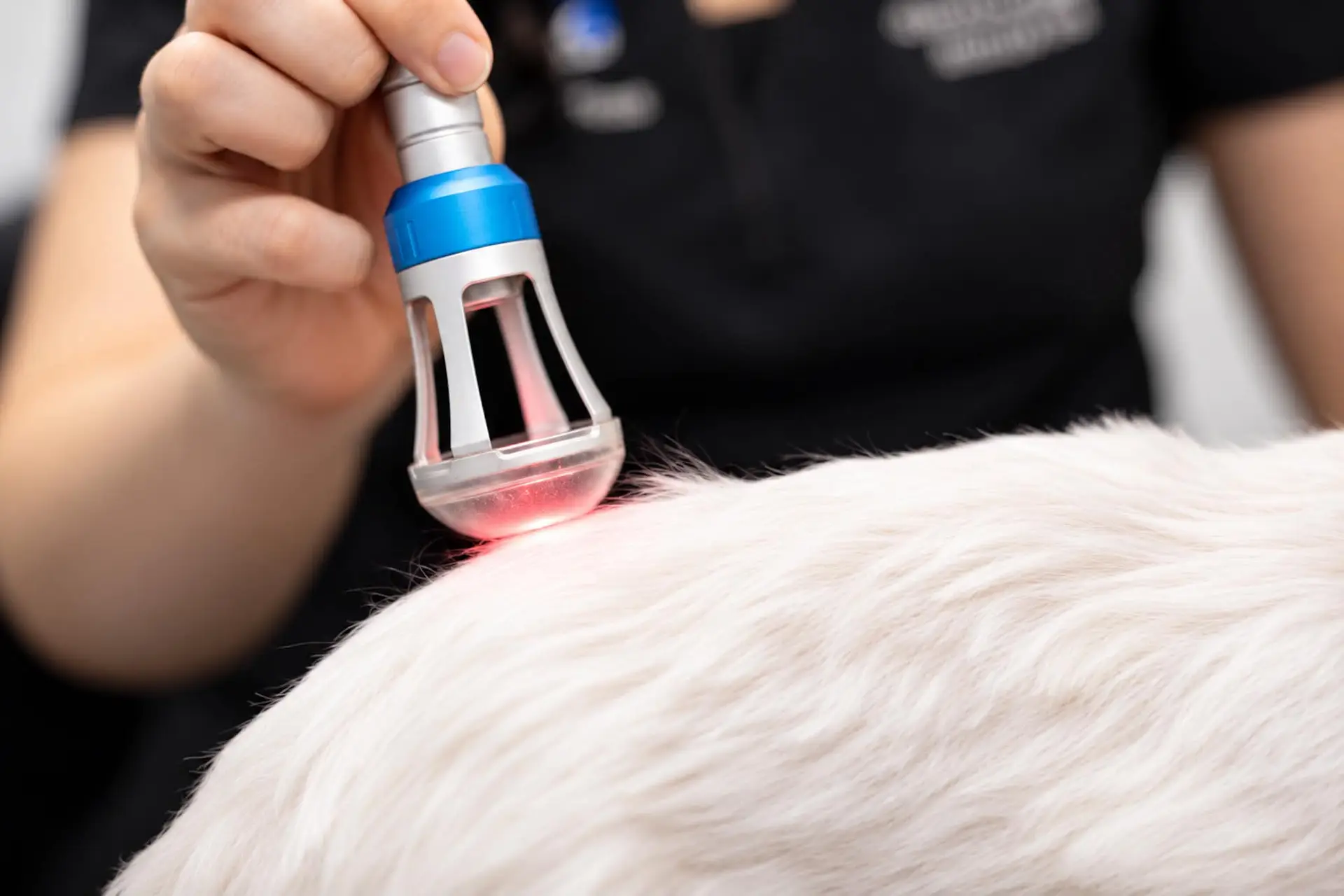
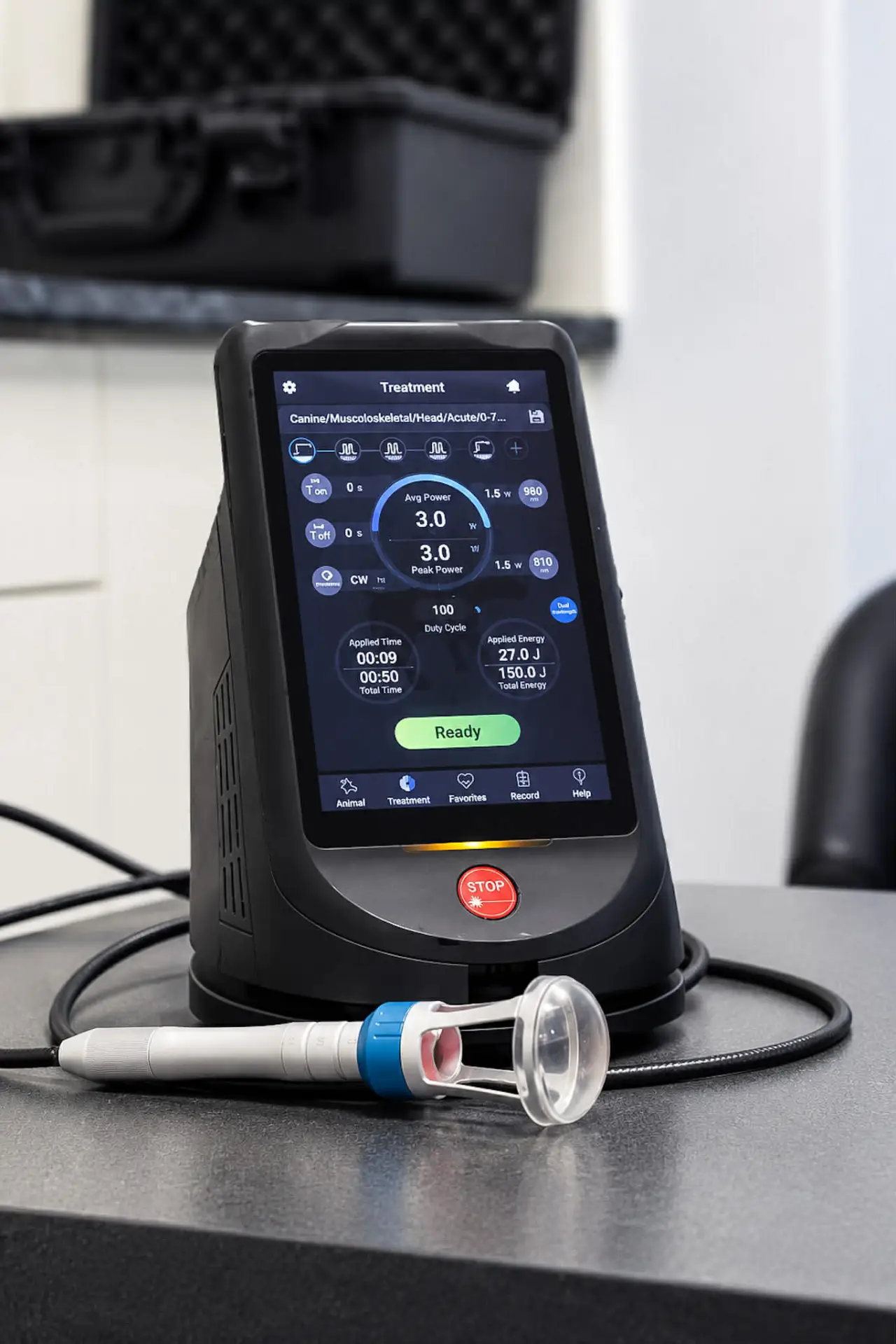
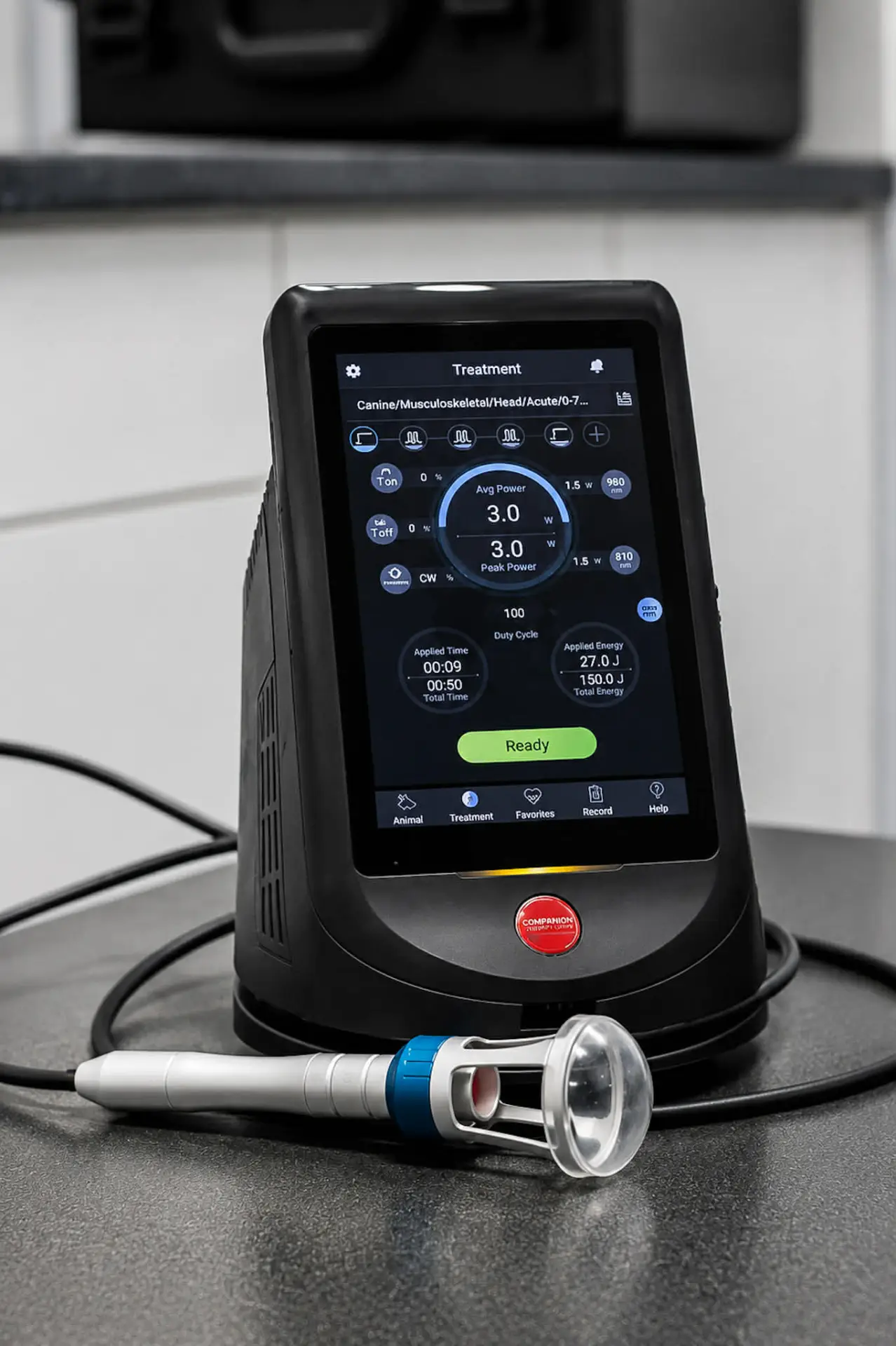
Laser therapy is a non-invasive treatment that may be used as part of a pain management or rehabilitation plan for certain conditions. It can be used to support pets experiencing conditions such as arthritis, musculoskeletal pain, inflammation or during recovery from some injuries and surgical procedures.
When your pet needs to stay with us, their environment matters too. East Bundaberg Veterinary Hospital has dedicated patient wards designed to allow our veterinary and nursing teams to provide appropriate care and monitoring based on each animal’s individual needs.
Technology is an important part of modern veterinary medicine, but it is only one part of your pet’s care.
At East Bundaberg Veterinary Hospital, our diagnostic equipment and purpose-built facilities support our veterinarians and veterinary nurses in investigating illness, monitoring patients and developing treatment plans based on each pet’s individual needs.
Having many of these capabilities available within our Bundaberg veterinary hospital means we can provide continuity of care through diagnosis, treatment, surgery, hospitalisation and recovery.
Whether your pet requires a routine diagnostic investigation, further assessment of an ongoing health concern or more intensive hospital care, our team is here to help.